
 Back to Journal

.svg)
.svg)
.svg)
There is a reason your grandmother's kitchen and her skincare routine shared the same shelf. Long before skin barrier repair word became famous, a trending skincare term, Ayurveda had already identified the roots, powders, and botanicals that helped the skin healthy, balanced, and genuinely glowing over time, decade after decade. Two ingredients sit at the very top of that list. The benefits of Turmeric and Ashwagandha for skin are not wellness influencer fiction, they are backed by thousands of years of classical Ayurvedic texts and an increasingly impressive body of modern research. And in 2026, as the global skincare community moves away from aggressive synthetic actives toward intelligent natural skincare, these two ingredients are having their very well-deserved moment.
Turmeric in Skincare: Ancient Ingredient, Sustainable Results
"Haridra Varnya "Charaka Samhita classifies Haridra (Turmeric) as a Varnya herb; one that brightens and balances the skin (Twacha) complexion. This ancient wisdom is now being backed by the modern dermatologist as a more friendly and sustainable approach to our skin microbiome.
Turmeric does wonders on skin, it works through its primary active compound: Curcumin.
Curcumin, a powerhouse of antioxidants & an anti-inflammatory agent that works on the cellular level by inhibiting an enzyme - TYROSINASE, an enzyme which plays a major role in producing skin darkening compound, Melanin. It also helps in neutralising the free radical damage and calming the inflammation in the body.
From Supporting Skin Balance to Internal Wellness
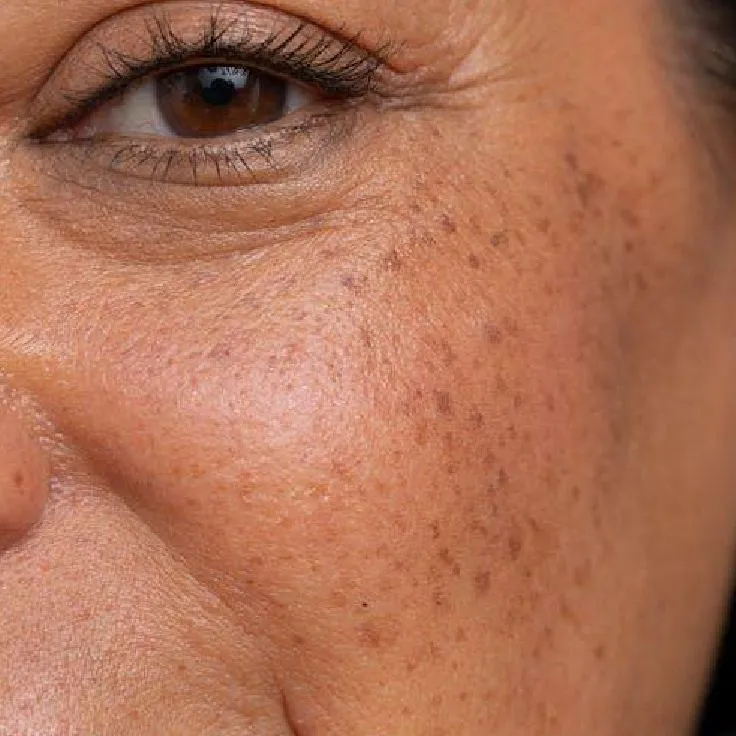
- Reduced Inflammations: works as an antibacterial and anti-inflammatory agent, followed by reducing the redness and swelling around active breakouts, furthermore preventing the post-acne hyperpigmentation.
- Skin barrier repair: strengthens the skin's natural lipid barrier, restores moisture retention, cell regeneration, and reduces uneven skin tone.
- For dark circles: with constant topical application, its anti-inflammatory properties reduce puffiness and lighten the discolouration around the eye area over time.
Can Turmeric Remove Dark Spots and Pigmentation?
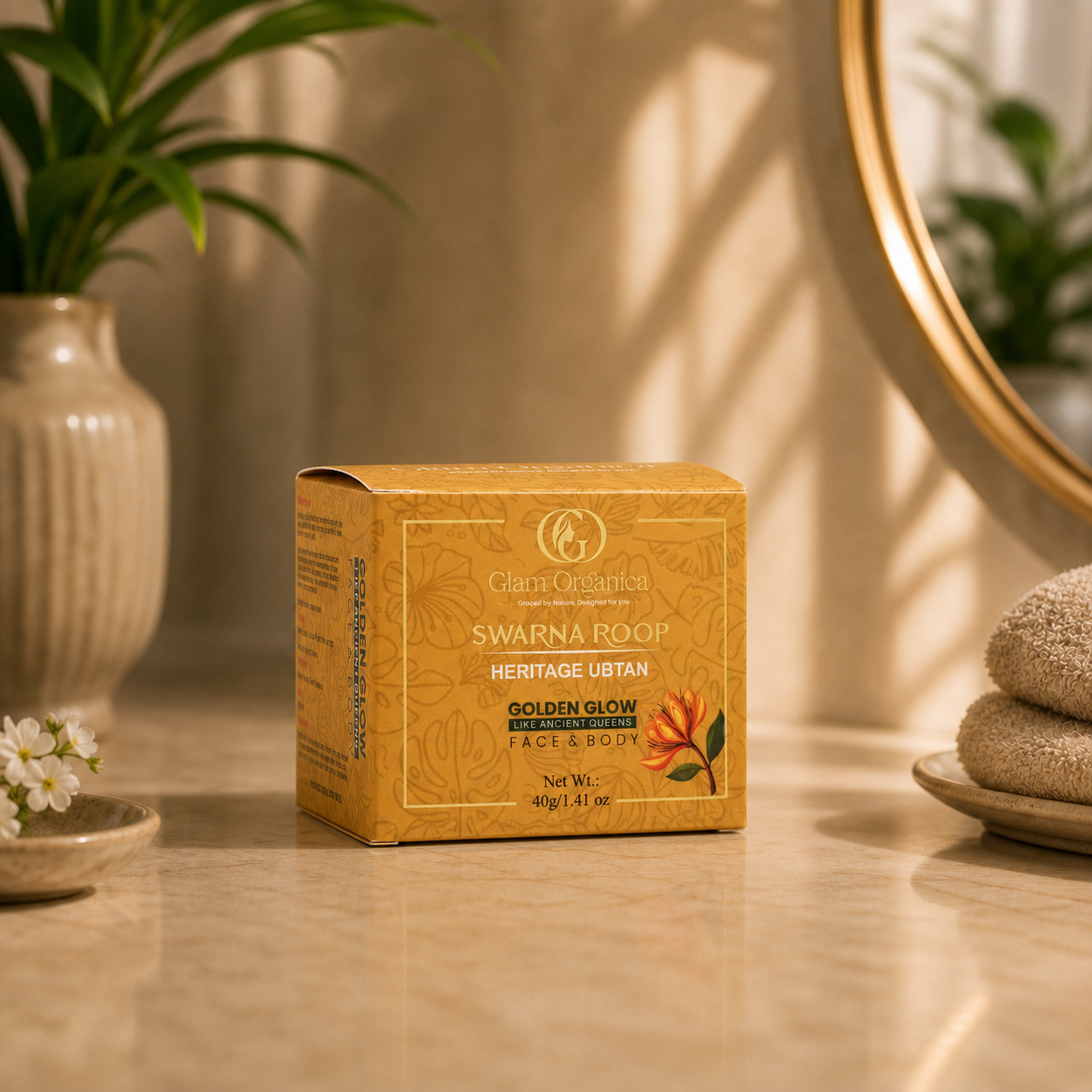
Indian households are all about this one super ingredient, “Raw Haldi” applied directly on skin, a Turmeric face pack for pigmentation, or a Haldi Ubtan with other kitchen ingredients like Mulethi (Licorice) and Chandan (Sandalwood) gives more promising results than today’s science-led skincare.
At-Home Turmeric Face Packs for Every Skin Type
These DIY Haldi (Turmeric) face packs have been passed down from one generation to the next in Indian traditions. Here is how to adapt it to your skin:
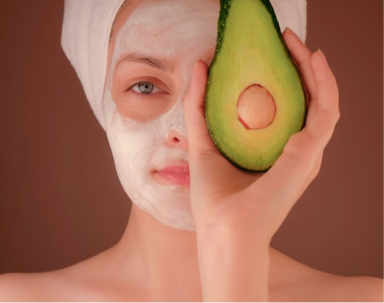
For oily and acne-prone skin: Mix raw turmeric with honey and add a few drops of Neem oil or any oil of your choice, and keep it for 15 minutes. This antibacterial combination tackles active breakouts while the turmeric begins skin brightening work underneath.
For dry skin: Mix turmeric with yogurt or dahi and a few drops of Almond oil. The lactic acid in yoghurt acts as a mild exfoliator while the oil nourishes. This is one of the oldest turmeric home remedies for skin in South Indian beauty traditions.
For pigmentation and dark spots: Combine turmeric with Mulethi (Licorice) powder, Rose water, and a pinch of Sandalwood powder. This paste works as a traditional Ayurvedic face cream.
How Often Should You Use Turmeric on Your Skin?
Two to three times a week for most skin types. Daily use of turmeric can over-sensitise the skin. If you are using a properly formulated ayurvedic skin treatment with turmeric as an ingredient, daily use is safe, as it's thoughtfully balanced.
Wild turmeric (Kasturi Manjal) is significantly gentler than kitchen turmeric and is the preferred choice in ayurvedic skincare for sensitive skin. Always patch test first, on the arm, 24 hours before full application.
Turmeric vs Science-led Chemical Actives: What Works Better?
Chemical actives like hydroquinone and high-strength kojic acid deliver faster visible results, but often come with skin sensitivity, barrier damage, and continuous usage. While Turmeric for glowing skin works more gradually but strengthens the barrier in the process. The holistic approach of Ayurveda is based on “building methodology” rather than a quick fix.
Ashwagandha Benefits for Skin, Hair & Stress: Complete Guide
If Turmeric is Ayurveda's most visible skincare ingredient, Ashwagandha is that powerhouse ingredient that works from the inside out. Many people use it for its stress-relieving properties, but often overlook that ashwagandha benefits for stress directly translate into visible skin improvements.
The benefits of Turmeric and Ashwagandha together address both the external and internal aspects of skin health, this holistic approach makes Ayurvedic skincare fundamentally different from modern 10-step skincare.
How Ashwagandha is beneficial for Skin Health Naturally
Ashwagandha (Withania somnifera) is classified as a Sattvic Kapha Rasayana in Ayurveda. Acting as a rejuvenating tonic and a potent adaptogen, traditionally used to combat mental and physical fatigue.
Ashwagandha benefits for skin and hair operate through one key mechanism: cortisol reduction. Under high stress, our body produces excess cortisol (stress hormone), that disrupts the skin barrier, leading to collagen breakage, excess sebum production and acne, eventually leading to hyperpigmentation and early signs of ageing.
Ashwagandha, on the other side, works as a skin-barrier repair strategy and acts as a calming adaptogen by lessening the cortisol levels from 11% to over 30%.
Can Ashwagandha Reduce Stress-Related Skin Problems?
People search for this a ton, and yeah, it's a solid yes; Ashwagandha really helps your skin by fixing your sleep first. Better sleep quality, reduced cortisol levels, and lower systemic inflammation, all driven by consistent Ashwagandha use, create the internal conditions for glowing skin that no topical product alone can manufacture.
Ashwagandha for Hair Growth: Does It Really Work?
How to use Ashwagandha for hair growth is among the most searched ashwagandha powder benefits queries in India right now. The connection is cortisol, the same hormone that damages skin, also causes hair follicle miniaturisation and stress-related hair fall. By regulating cortisol, Ashwagandha creates the hormonal environment in which healthy hair growth can resume. Applied as an oil infusion directly to the scalp, it also improves circulation to hair follicles.
Ashwagandha Powder vs Oil: What's Better for Skin & Hair?
Ashwagandha powder benefits are primarily associated with the internal body, consumed with warm milk at night, which is also the best time to take Ashwagandha for skin benefits (just before sleep, when the body is in repair mode). Ashwagandha oil or oil formulations containing Ashwagandha extract work on the topical level, addressing inflammation, balancing barrier function, and neutralising the free radicals on the surface. For comprehensive results, use both.
How to Use Turmeric and Ashwagandha Together in Your Routine
The combined benefits of Turmeric and Ashwagandha amplify their effects, making them Ayurveda’s complementary skin ingredients.
Internally: Ashwagandha & Turmeric with warm milk as a bi-weekly night ritual, turmeric in your cooking. Both together reduce systemic inflammation, the root of most chronic skin concerns.
Externally: A weekly Haldi Ubtan with Ashwagandha powder, Licorice, and Rose water targets pigmentation, restores skin barrier repair, and makes the skin more glowing.
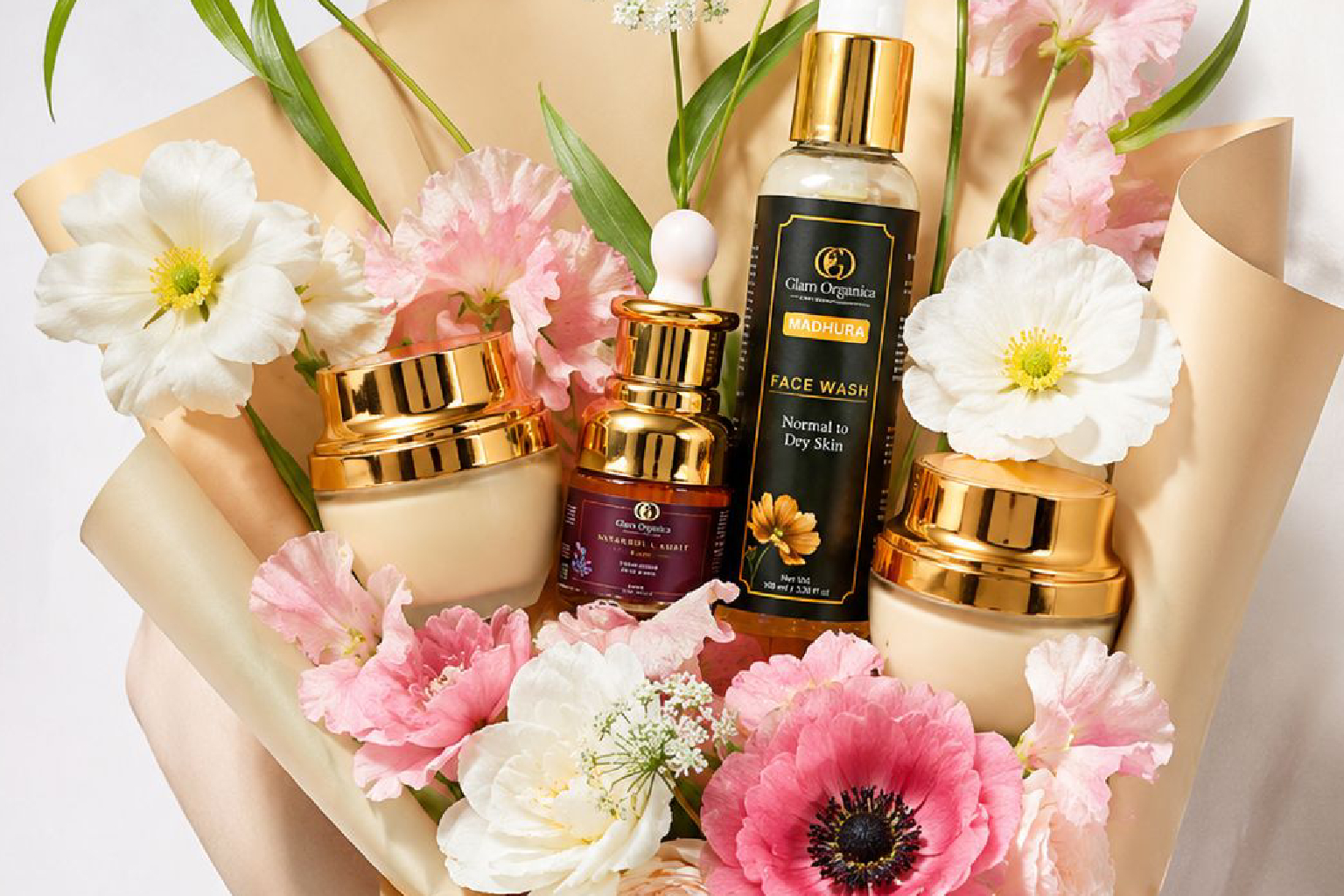
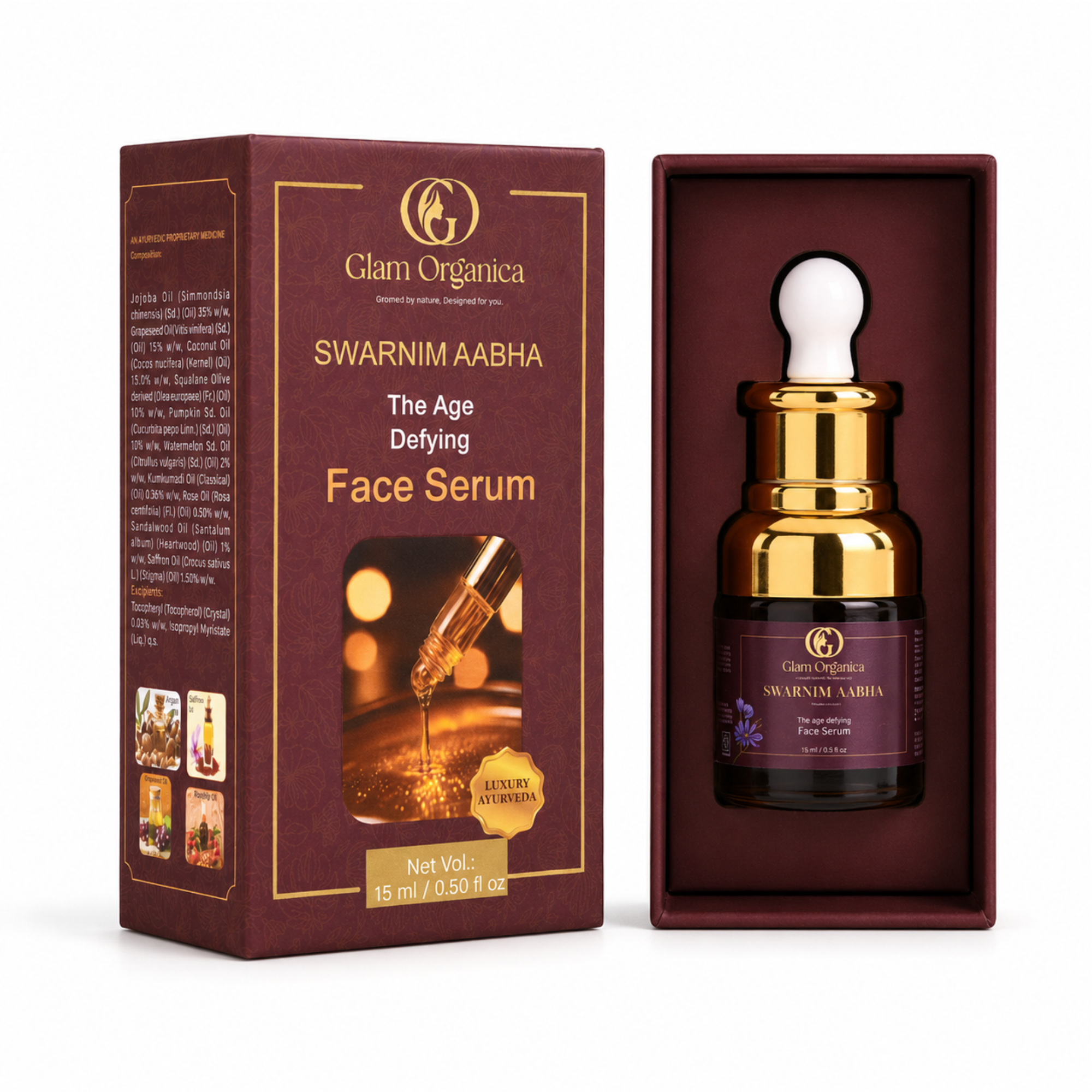
In formulation: Look for ayurvedic face oil and ayurvedic face cream products from organic skincare India brands like Glam Organica that list both as active ingredients, not as marketing additions, but as hero botanicals in meaningful concentrations.
✦ Experience the timeless power of Turmeric & Ashwagandha.
Please note: The information shared in this blog is for general knowledge and reading purposes only. Before adding turmeric or ashwagandha to your routine, or if you have concerns about suitability or reactions, consult a qualified healthcare professional.