
 Back to Journal

.svg)
.svg)
.svg)
On the skin, there is that one stubborn mark that appeared months ago after a pimple and just will not go down. Or the uneven area across the forepart that, despite careful sunscreen application, gets deeper each summer.
Do you feel this? getting relieve of dark spots is one of
the most popular skin enterprises, and for good reason. Indeed, though Indian
skin is gorgeous and rich in melanin, it reacts more explosively than utmost to
the sun, stress, hormones, and inflammation. The outgrowth? pigmentation,
uneven skin tone, and those patient marks that no quantum of robe completely
conceals.
The good news? For thousands of times, Ayurveda has been the result to this issue. also, contemporary skincare is eventually catching up in 2026.
Understanding why this continues reoccurring in the first
place is helpful before trying to find answers.
The Fitzpatrick scale places Indian skin in the medium-
to-deep range, indicating that our melanocytes, the cells that make melanin,
are innately hyperactive. A pimple, extended sun exposure, a hormonal change,
or any other detector causes those cells to go into overdrive, performing in
hyperpigmentation that persists long after the original problem has resolved.
The three most current skin pigmentation conditions that
Indian women face are:
Sun spots: generally set up on the cheeks, nose, and
forehead, these flat brown patches are the result of times of UV exposure. They
get darker every summer.
PIH: The marks that remain after rashes, acne, or any
other type of skin trauma are known as PIH(Post-Inflammatory
Hyperpigmentation). Among Indian women between the periods of 18 and 35, PIH
treatment is the most current concern regarding the elimination of dark spots.
Melasma: Large, asymmetrical brownish patches caused
by hormonal changes, similar as gestation, PCOS, or birth control, are known as
melasma. Treatment for melasma is more involved and longer journey which calls
for both internal balance and topical care.
According to Ayurveda, increased Pitta dosha is the primary
cause of all three. Pitta controls the body's temperature, inflammation, and
transformation. Pitta imbalance manifests on the skin as uneven tone,
greenishness, and pigmentation. For this reason, Ayurvedic dark spot junking
addresses the underpinning imbalance before treating the outside symptoms.
The Shift in 2026: From More Products to Meaningful
Skincare
People's perspectives on hyperpigmentation have changed
significantly in the current period. People are getting really tired of the
days of harsh chemical peels, potent synthetic active constituents, and
cheering serums that promise instant results.
The 2026 skincare conversation is about skin brightening that
is sustainable, gentle, and does not compromise the skin barrier in the
process. Users are actively searching for:
● Best hyperpigmentation treatment that works without
irritation or long-term sensitivity
● Natural skincare alternatives to hydroquinone and
synthetic kojic acid
● Ayurvedic skincare routines that address root
cause, not just surface symptoms
● Ingredient transparency as what is in the product and why
it works on deeper skin tones
This is exactly where Ayurveda steps forward, not as
a passing trend, but as a time-tested system with a remarkably relevant answer
to skin pigmentation in the modern age.
The Ayurvedic constituents Rewriting Dark Spots
Elimination
" Varṇyam Candanam Tuṅgam" Charaka Samhita lists Chandan( Sandalwood) among the finest Varnya herbs | those which enhance and harmonise skin complexion. Ayurvedic textbooks devoted entire chapters to Twacha( skin) care centuries ahead modern dermatology was.
These are the constituents ayurvedic skincare has always
reckoned on for dark spots junking, and that contemporary exploration is now
validating one by one:
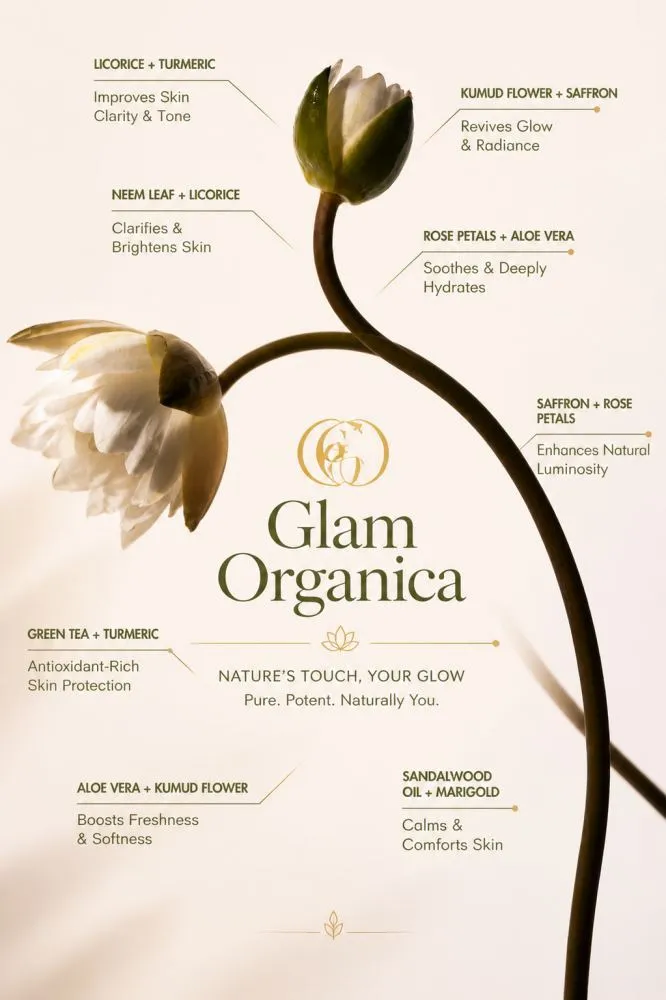
Saffron( Kesar) — Saffron oil painting for skin
cheering on Indian skin is supported by both Ayurvedic wisdom and clinical
exploration. Kesar contains crocin and safranal. composites that laboriously
inhibit melanin product and restore natural refulgence to deeper skin tones.
Licorice — Mulethi for pigmentation treatment; contains
Glabridin, one of nature's most completely studied skin- cheering composites.
It blocks the enzyme responsible for driving melanin productpost-inflammation
making it exceptionally effective for PIH treatment and dark spots junking on
brown skin.
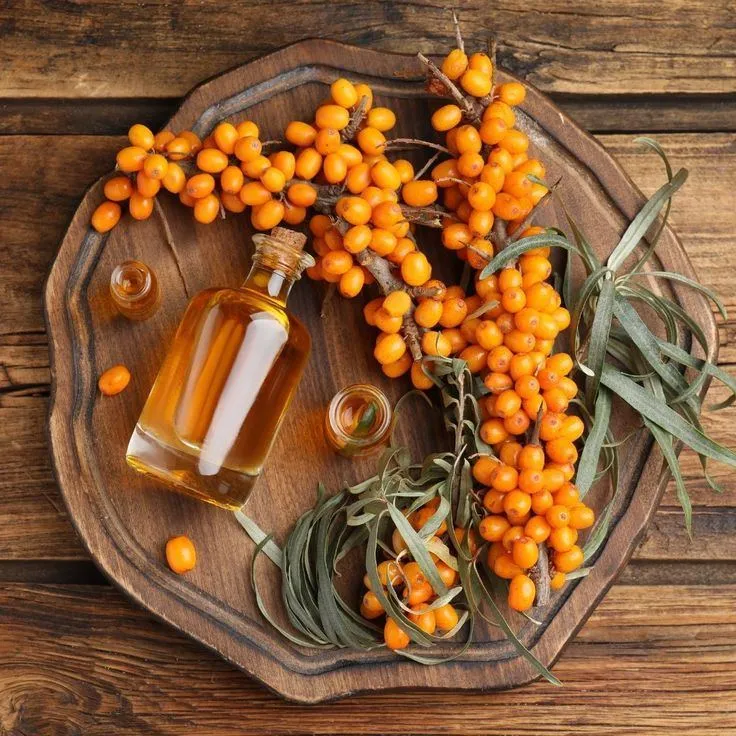
Rosehip Oil — Rich in natural Vitamin A and Vitamin
C, rosehip oil painting accelerates cell development and gently fadespost-acne
marks on brown skin with harmonious use, without the vexation that comes with
synthetic retinol druthers .
Nalpamaradi Tailam — This classical South Indian
ayurvedic face oil painting has been used for generations for skin cheering and
tan junking. Formulated with four kinds of Ficus dinghy, Turmeric, and Vetiver,
it works on face tan and deeper pigmentation contemporaneously, a complete dark
spots junking treatment for face and body likewise.
Sandalwood( Chandan) — Cooling and deeply
anti-inflammatory, Chandan directly addresses the Pitta- driven inflammation
that causes hyperpigmentation in the first place.
A Dark Spots Removal Routine Rooted in AyurvedaThe most effective Ayurvedic treatment for pigmentation and
dark spots is simple and dependable. Rather than seeing it as a response to a
skin issue, consider it a dinacharya, a diurnal practice with purpose.
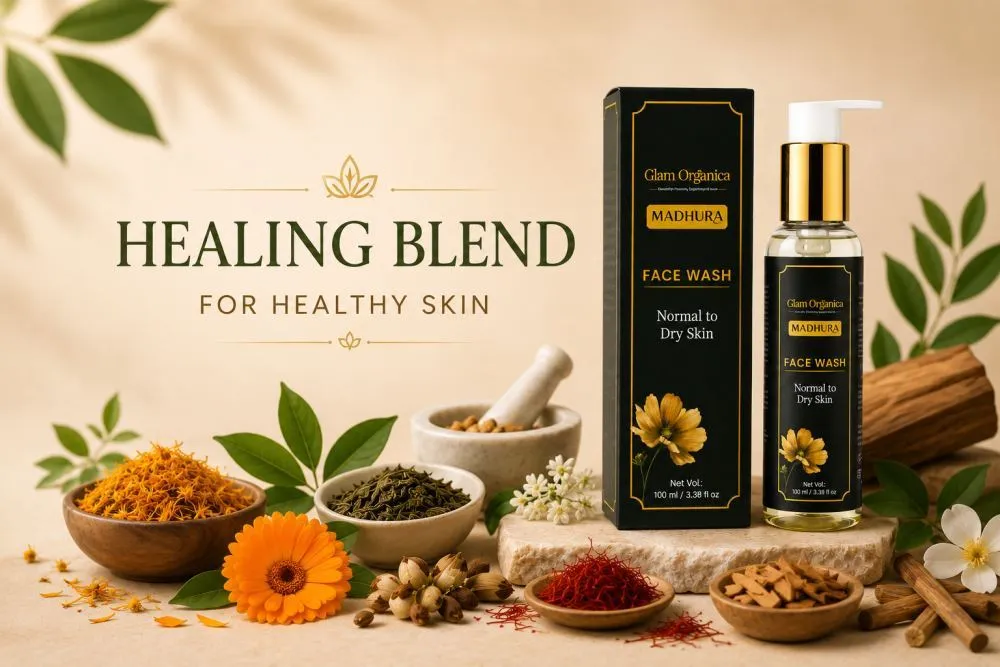
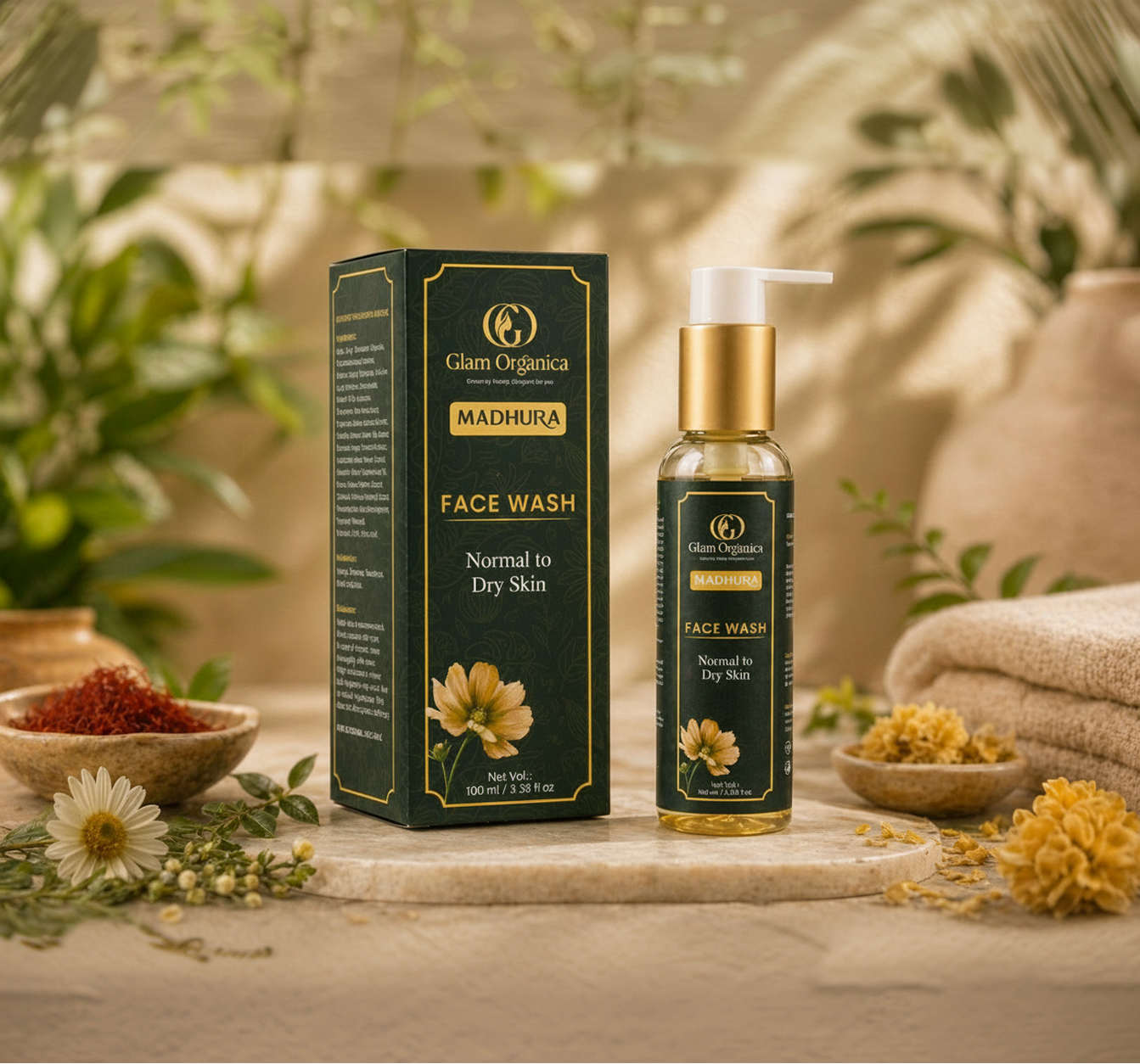
Morning: Use a facial cleaner that contains licorice
extract, saffron oil, and nagkesar to cleanse your face. These skin actives
start the skin- cleansing process from the very initial stages. Follow with an
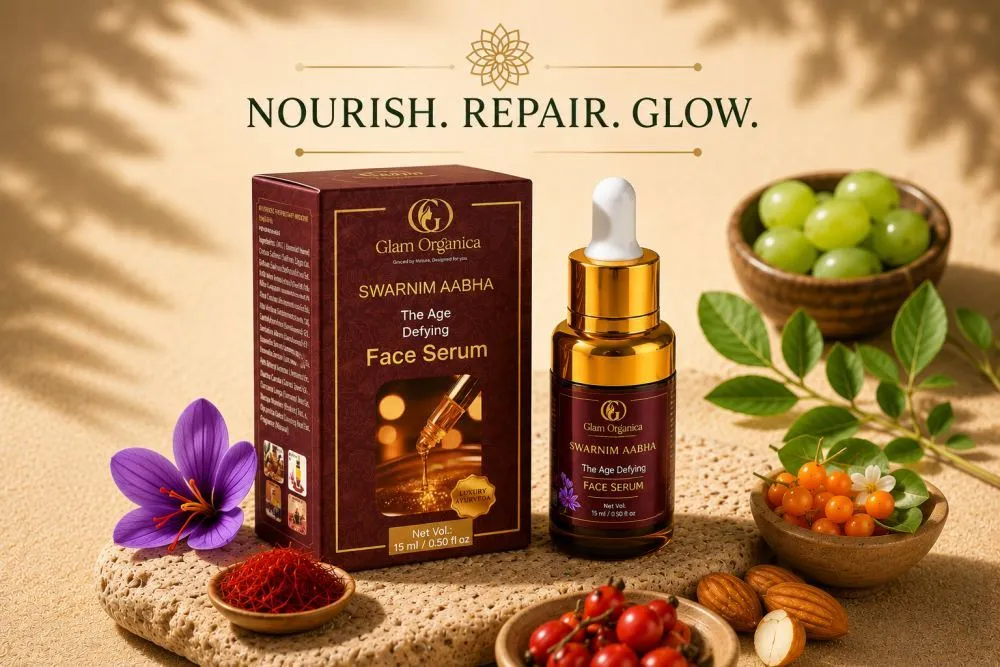
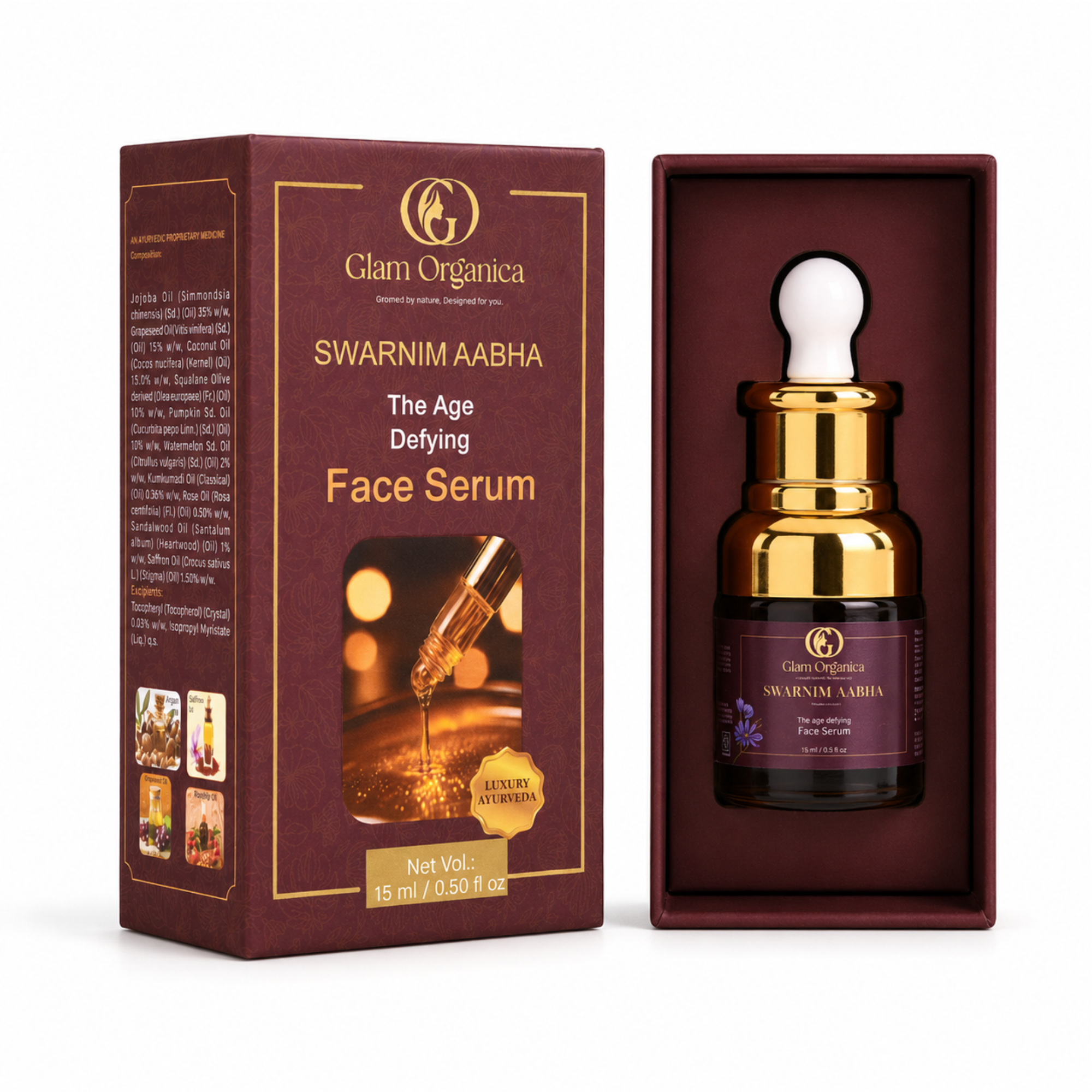
ayurvedic face serum for uneven skin tone; formulations with Saffron, Rosehip,
and Sandalwood work beautifully together.
Always end your skincare with SPF. It’s essential for
protecting your results because, without sun protection, even the most
effective treatments, Ayurvedic or dermatologist-approved treatments for dark
spots, won’t last.
Evening: Make double cleansing a habit to gently
remove SPF and the buildup your skin collects through the day. Use your
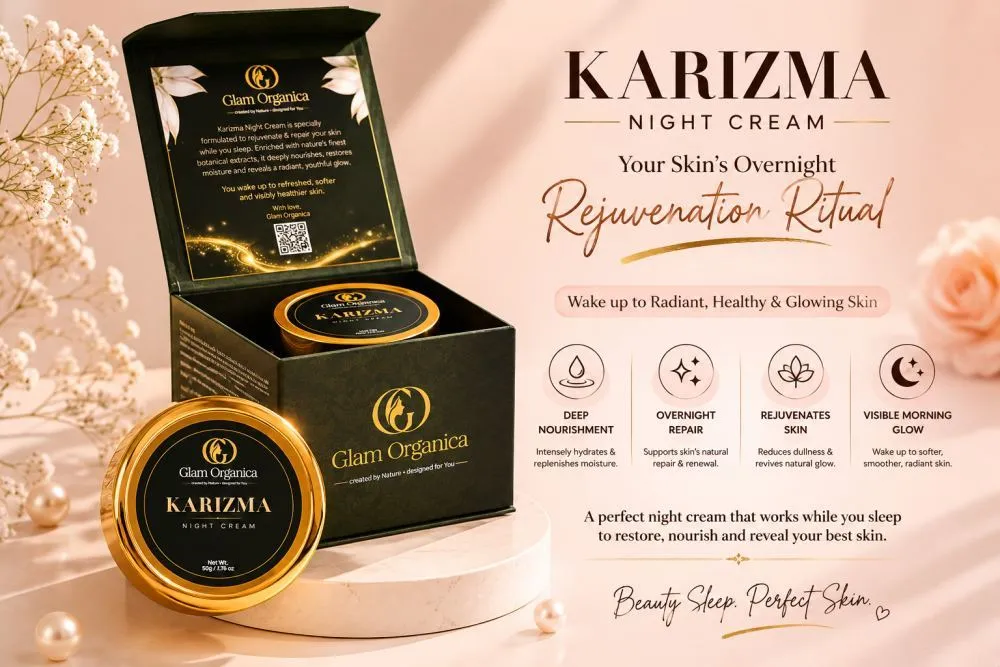
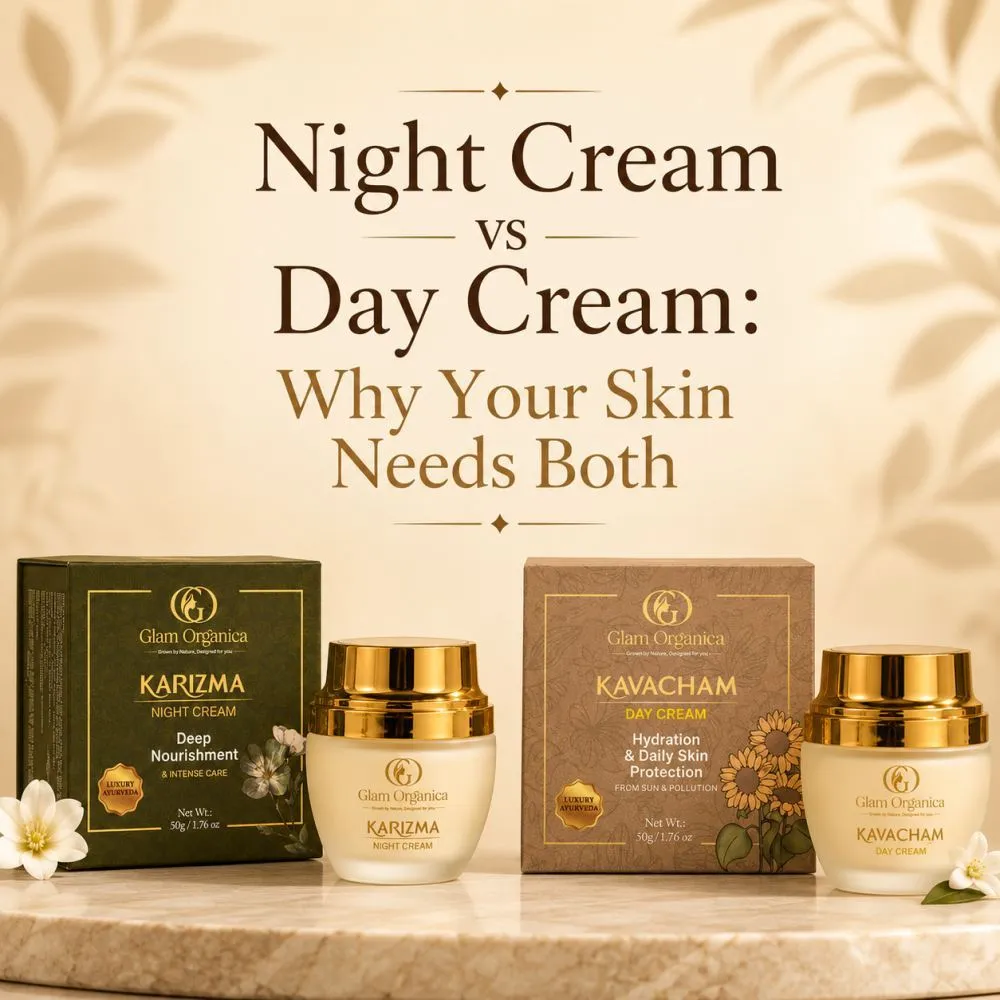
cheering serum again. Ayurvedic face oil and nourishing night creams act most
deeply and restoratively at night, when the skin's natural form cycle peaks.
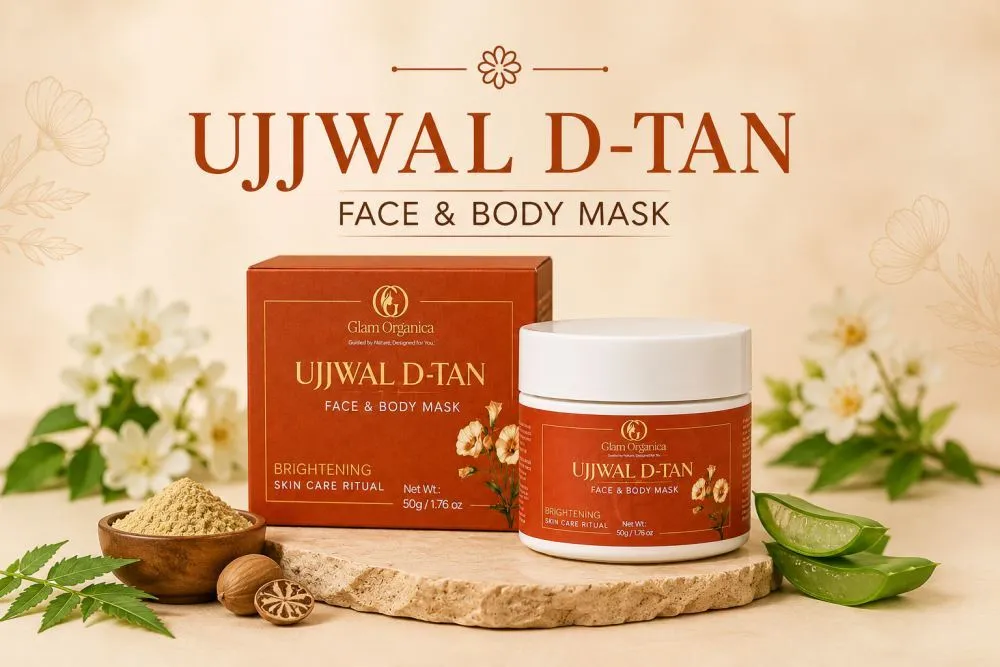
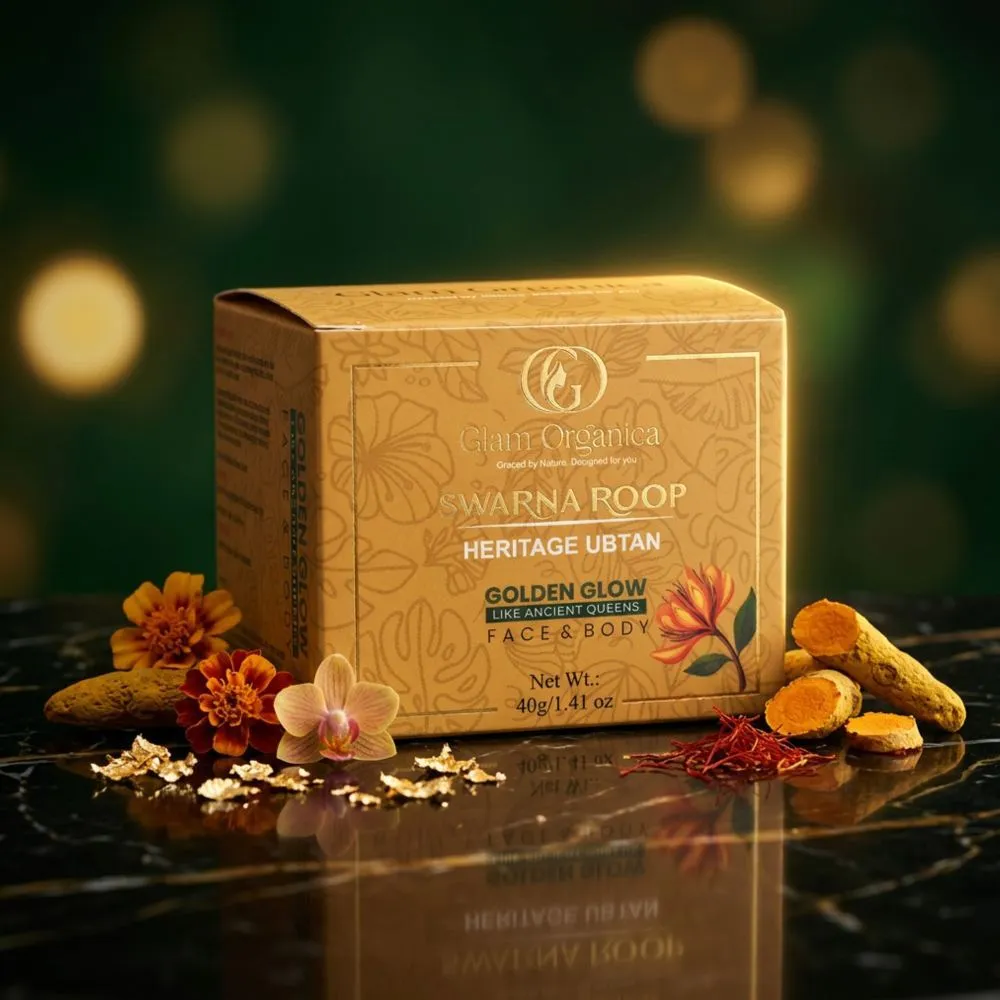
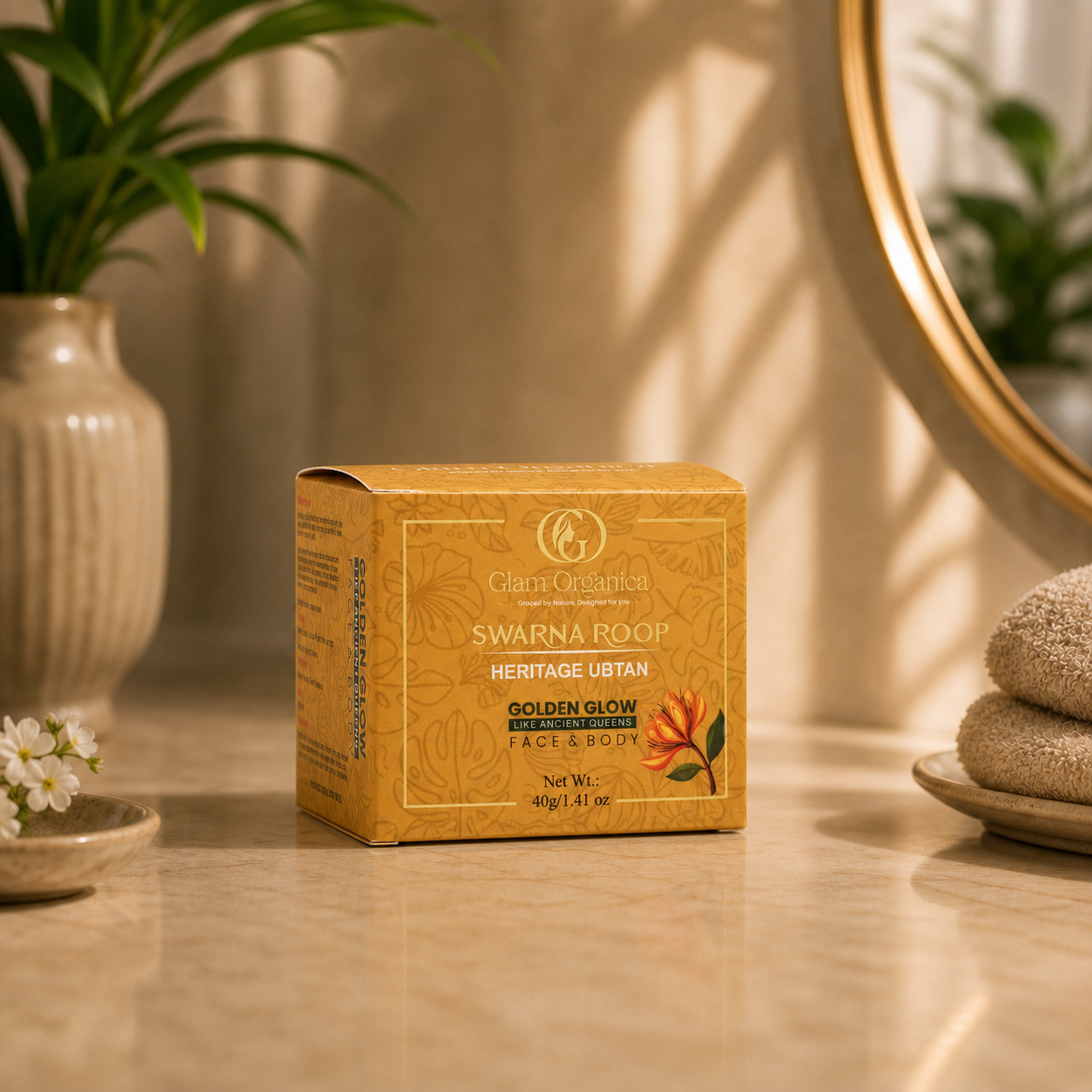
Every week, a traditional Ubtan including licorice powder,
masoor dal, and vetiver serves as a mild exfoliator and remedy for
hyperpigmentation. These key ingredients, which have been used for centuries to
remove black spots from Indian skin at home, are passed down from dadi-nani to
next generations and are still just as effective today.
The Inside- Out Truth About Pigmentation
Relying only on topical treatments won’t deliver lasting
results. It’s a gap many skincare blogs in India quietly overlook.
An Ayurvedic diet can indeed lessen skin
pigmentation. Diet plays a quiet but powerful role in skin health. Spicy, oily,
and processed foods can disturb Pitta, often showing up as pigmentation.
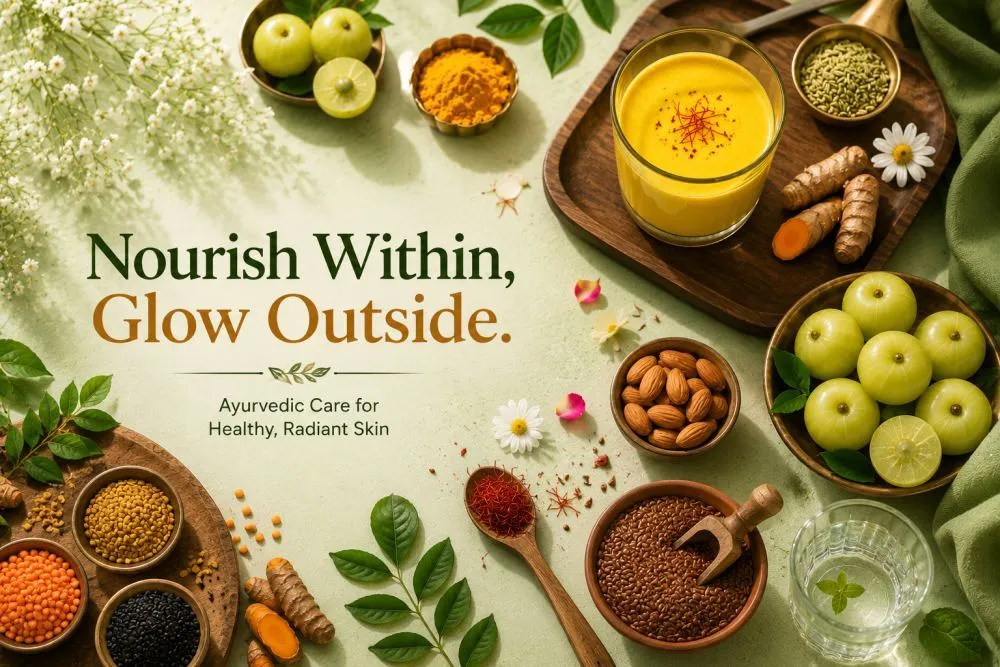
Seasonal fruits, turmeric in warm milk, amla, the richest natural source of vitamin
C in Ayurveda, and sufficient hydration all help restore balance and support a
natural glow.
Sleep deprivation and chronic stress spike cortisol, which
in turn triggers melanin overproduction. This mind-skin connection is directly
addressed by Ayurveda's holistic approach, which no single top skin care
product can match.
On the other hand, stronger chemical treatments can show
faster results, but they often come with a cost. Over time, skin can become
sensitive, reactive, and dependent on constant correction.
With Ayurveda, the change is gradual, but it feels more
real. Your skin becomes healthier, more resilient, and better balanced.
Slowly and rightly | As Ayurveda has always taught.