
 Back to Journal

.svg)
.svg)
.svg)
Most Indian women's skincare routines follow the same pattern. Same face wash, same moisturiser, same serum, twelve months a year. And every year, without fully understanding why, the skin starts behaving differently. Oilier in July. Tighter and duller in January. More breakout-prone in the weeks when the skin season shifts.
The routine did not change. But the skin did.
This is not a skincare failure. It is a seasonal one. Skin season changes are real, documented, and deeply understood in Ayurveda through Ritucharya — the science of living in alignment with the seasons. The body and skin shift with every season. The skincare routine needs to shift with them.
Here is exactly how.
Why Indian Skin Changes With Every Season
India does not have four mild seasons. It has extremes. Brutal summers, humid monsoons, and dry winters; sometimes all within the same city across twelve months. Each skin season creates a fundamentally different environment for the body to function in.
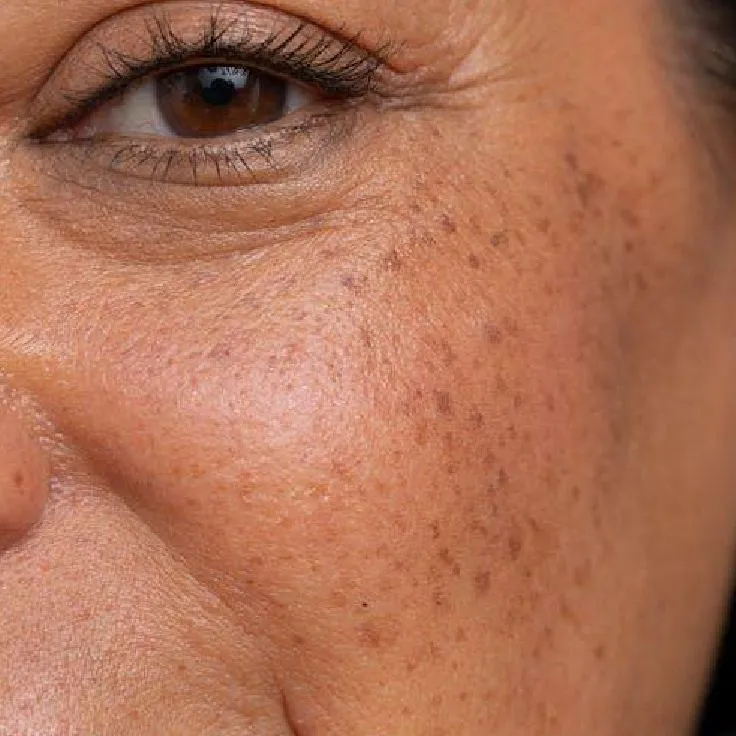
In summer, heat and UV exposure, along with Sebum production increases, pores congest, and pigmentation deepens.
In the monsoon, humidity traps everything on the surface. Sweat, sebum, and pollution combine to clog pores. Dead skin accumulates faster than usual because the humidity slows down natural shedding. Fungal overgrowth becomes more common. What was managing in summer suddenly starts breaking out, looking flat, and feeling unresponsive.
In winter, Moisture escapes faster than it can be retained. The result is tightness, flakiness, and a compromised barrier that makes everything more sensitive than at any other skin season of the year.
Same person. Completely different needs across every season.
The Monsoon Skincare Shift
Monsoon skincare is the skin season that most Indian women's skincare routines handle least effectively. The skin sends confusing signals — oily and congested on the surface, uncomfortable and reactive underneath.
Monsoon oily skin care is not about adding more hydration. It is about purification first. In Ayurveda, this is Twak Shodhana — removing what does not belong before adding what is needed. The buildup of dead skin, excess sebum, and pollution that monsoon face care needs to address first cannot simply be moisturised away.
This is exactly where a monsoon skincare routine makes the most meaningful difference for Indian women who have been using the same products year-round.
What monsoon skincare actually needs:
A weekly Ubtan ritual to clear congestion, dead skin buildup, and the surface dullness that humidity produces
A face wash for rainy season that regulates oil without stripping — because over-cleansing in monsoon breaks down an already stressed barrier
A lightweight cream by Glam Organica that protects without adding to the congestion that monsoon skin care for oily skin consistently deals with
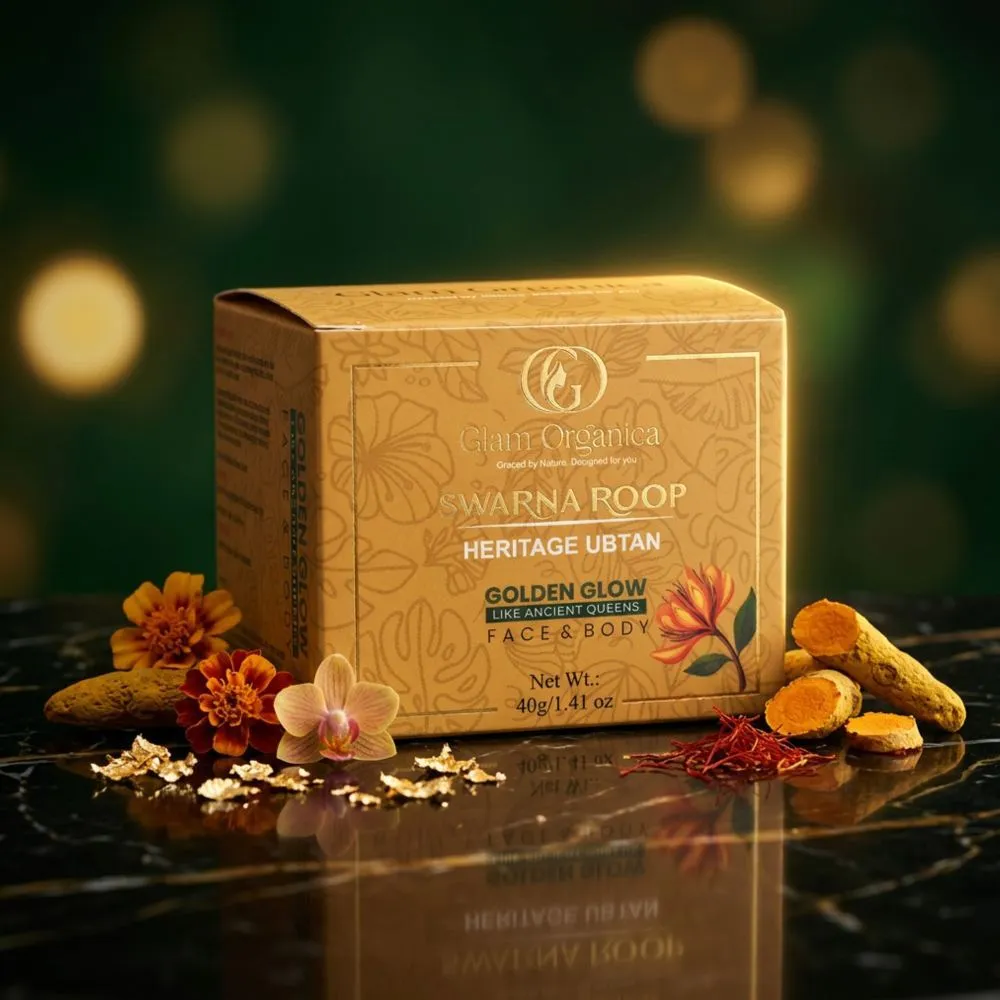
Glam Organica's ayurvedic skincare product Swarna Roop Heritage Ubtan with Masoor Dal, Hibiscus, and Vetiver is the ideal reset for a monsoon skincare routine — used two to three times a week. This is the heart of the Glam Organica Monsoon Ayurvedic Skincare Kit for anyone dealing with congestion, dullness, and texture issues through the rainy months.
Follow with Kavacham Day Cream — the lightweight cream by Glam Organica, whose Sandalwood Oil and Kumkumadi Tailam protect and balance through the long, humid day. As a face cream for monsoon and best face cream for monsoon for combination and oily skin types, Kavacham sits lightly, protects meaningfully, and never adds to the heaviness the weather already brings.
For monsoon oily skin care specifically, Kavacham as a best moisturizer for oily skin in monsoon and Madhura as a best face wash for humid environment together form the core of the Glam Organica Ayurvedic Skincare Kit that addresses every stage of the monsoon skincare routine from cleanse to protect.
The face wash for rainy season step with Madhura clears the dead skin and pollution that accumulate through every humid day. The moisturizer for oily skin in monsoon step with Kavacham seals in just enough hydration without the heaviness that dry skin in monsoon and oily skin both struggle with in different ways.
The Transition Seasons: When Skin Needs the Most Attention
March to April and September to October are the most unpredictable periods. The skin season is shifting, the doshas are adjusting, and the skin is caught between two different sets of needs.
Simple transition season rules:
Introduce winter products gradually in September rather than waiting until December
Scale back heavier products slowly in March rather than switching overnight
Pay attention to what the skin is actually doing rather than following a fixed calendar date
Ritucharya teaches that transitions are as important as the seasons themselves. Moving with the change, rather than reacting to it, is the difference between skin that struggles every season and skin that adapts with it.
The One Principle That Ties All of This Together
Glam Organica Monsoon Skincare Kit, winter repair range, and summer brightening formulations all exist because of one belief — the right ingredient at the right skin season delivers results that the same product used year-round never can.
Indian women's skincare routines that shift with the seasons do not need more products. They need the right ones, chosen with the same intelligence that Ritucharya brought to seasonal living thousands of years ago.
Your skin is always signalling what it needs. Learning to listen — and having the right Glam Organica Ayurvedic skincare formulations ready when it does — is the most powerful skincare shift available.
✦ Your skin changes every season. Your routine should too. Explore Glam Organica's full range and monsoon skin care products now with up to 50% off and special combination offers on the website.