






 Back to Journal

.svg)
.svg)
.svg)
हिताहितं सुखं दुःखमायुस्तस्य हिताहितम्। मानं च तच्च यत्रोक्तमायुर्वेदः स उच्यते॥" — Charaka Samhita
That which tells you what is good for you and what isn't, what brings you joy and what brings suffering, and how to truly live — that is Ayurveda.
Five thousand years ago, a group of Indian sages sat down and asked a question that no one had properly answered before: why do some people thrive while others keep falling ill, even when they seem to live the same life?
Their answer became Ayurveda.
The Science of Life — But Make It Personal
Ayurveda literally means "Ayu" (life) + "Veda" (knowledge). But calling it the "science of life" makes it sound very textbook, and Ayurveda is anything but that.
Think of it less like a medical system and more like an instruction manual written specifically for your body. Not a generic one-size-fits-all guide, your personal one. Because in Ayurveda, the starting point is always you; your constitution, your tendencies, your imbalances.
That's what makes it feel almost uncomfortably accurate when you go deep into it.
The Three Doshas: Vata, Pitta, and Kapha
At the heart of Ayurvedic principles are three energies called doshas: Vata, Pitta, and Kapha. Every living being is a unique mix of these three, and your dominant dosha shapes everything: how you digest food, how you handle stress, how you sleep, and yes, what your skin needs.
Vata is air and space. Vata-dominant people tend to have dry, sensitive skin, restless minds, and a tendency to feel cold. When Vata goes out of balance, the first signs often show up as flaky skin, anxiety, or poor sleep.
Pitta is fire and water. Pitta types run warm, driven, and sharp. Beautiful combination, until Pitta spikes. Then comes inflammation, redness, acne, and that short-fused frustration when the WiFi doesn't work.
Kapha is earth and water. Kapha people are steady, calm, and deeply nurturing. Their skin tends to be oily and prone to congestion when out of balance, and they often need more stimulation in their diet, their routine, and their skincare, to keep things moving.
Most of us are a combination of two doshas, with one leading the way. And life: Stress. Seasons. Food. Sleep constantly nudges these doshas in and out of balance.
So What Does "Imbalance" Actually Mean?
Ayurveda doesn't wait for disease to show up before paying attention. It reads the small signals your body sends long before anything becomes serious.
Skin breaking out around your jaw every month? Pitta imbalance. Feeling unbelievably dry and spacey in October? Vata season hitting hard. Sluggish digestion, dull skin, heavy feeling after meals? Kapha is asking for help.
These aren't random. They're your body talking. Ayurveda teaches you the language.
This is also why Ayurvedic healing feels so different from popping a pill for a symptom. It's looking at the why, not just the what.
Your Skin is Not a Separate Problem
Here's something modern skincare is only just beginning to catch up with: your skin is a direct reflection of what's happening inside you.
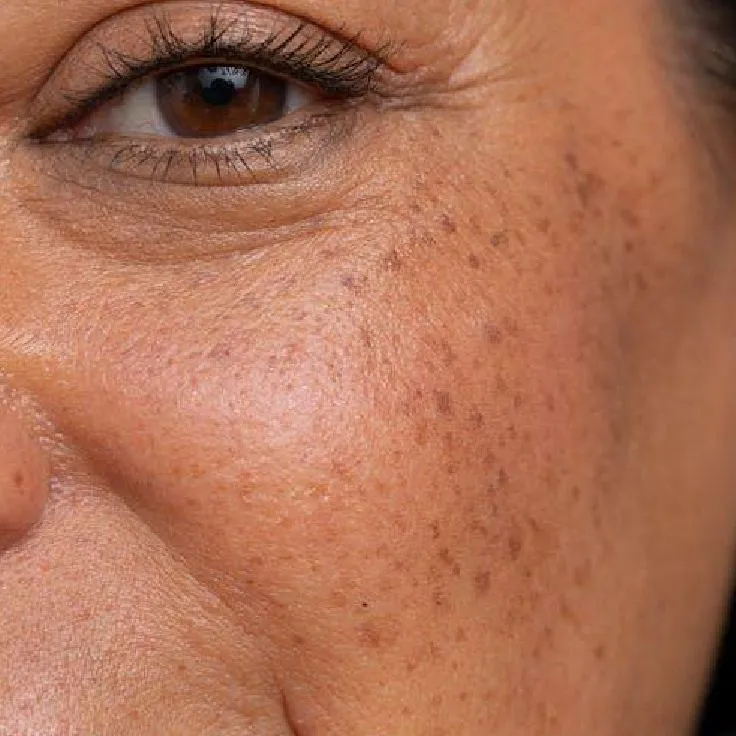
Gut under stress? It shows on your face. Liver working overtime? Pigmentation. Not sleeping enough? No serum in the world will fix that hollow look around your eyes.
Ayurvedic skincare starts from this understanding. It doesn't ask which active ingredient should go on your face tonight. It asks what does your skin actually needs, based on your dosha, the season, and your current state of balance?
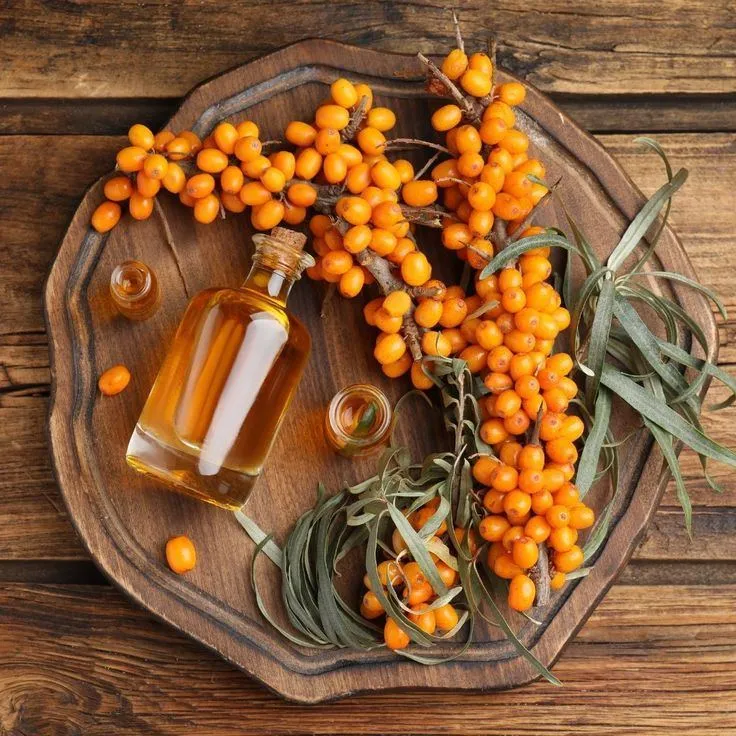
This is precisely why Ayurvedic formulations are built differently. Take Kumkumadi Tailam: a blend of saffron, sandalwood, and over a dozen botanicals that has been used for centuries to brighten and renew skin. Or Bakuchi oil, nature's answer to retinol, which stimulates cell turnover without the irritation. Or Nalpamaradi Tailam, the South Indian Ayurvedic oil that has been de-tanning and evening out skin tone long before cosmetic companies discovered niacinamide.
At Glam Organica, these aren't ingredients we discovered in a trend report. They're the foundation every single product is built on — because they work with your skin's intelligence, not against it.
Ayurvedic Lifestyle: The Part People Skip
People often dive into Ayurvedic skincare first, which is a great entry point, but Ayurveda as a lifestyle goes a little further.
An Ayurvedic diet means eating in a way that suits your dosha and the current season. Warm, nourishing foods in winter. Cooling, light meals in summer. Eat less raw food when your digestion feels weak. More bitter greens when your skin is acting up.
A daily Ayurvedic routine called Dinacharya; includes waking before sunrise, oil pulling, abhyanga (self-massage with warm oil), and eating meals at consistent times. It sounds like a lot, but even picking two of these habits can genuinely shift how your body feels within a few weeks.
The goal isn't perfection. It's consistency.
Where to Begin
You don't need to overhaul your entire life on a Monday morning. Ayurveda actually discourages sudden, dramatic changes, which is very Vata energy and usually doesn't last.
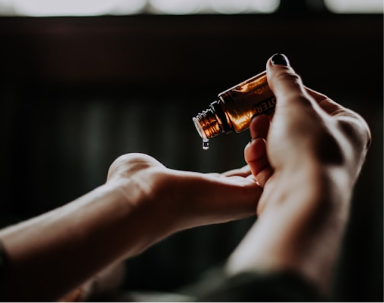
Start small. Eat a warm breakfast instead of a cold smoothie. Add an Ayurvedic face oil to your evening routine. Go to bed thirty minutes earlier. Find out your dominant dosha; there are good quizzes online, or better yet, consult a practitioner.
And pay attention to your skin. Not to fix it immediately, but to understand what it's trying to tell you.
Because that's what Ayurveda has always been about, not perfection, not quick fixes, but a quiet, consistent return to balance.
Your body already knows how to heal. Ayurveda helps you remember how to listen.
✦ Discover Glam Organica's Ayurvedic skincare range: Formulated with the same ingredients Charaka wrote about, for the skin concerns you're dealing with today