

 Back to Journal

.svg)
.svg)
.svg)
चन्दनतुङ्गपद्मकोशीरमधुकमञ्जिष्ठासारिवापयस्यासितालता
Candanatuṅgapadmakośīramadhukamañjiṣṭhāsārivāpayasyāsitālatā
Meaning: Chandana, Tunga, Padmaka, Ushira, Madhuka, Manjistha, Sariva, Payasya, Asita and Lata are listed among the ten substances in the Varnya group.
THE WISDOM OF NATURE
Our Ingredients. Their Heritage. Their Science.
Discover the botanical heritage, traditional Ayurvedic knowledge and modern research behind the ingredients in Glam Organica formulations.
India has a remarkable heritage of botanical skincare, where flowers, herbs, roots and natural oils have been valued for generations. Long before modern skincare became an industry, traditional Ayurveda explored the properties of plants and their place in personal care and wellbeing.
At Glam Organica, we believe that understanding an ingredient is just as important as using it. This is why we are exploring the botanical heritage and scientific knowledge behind the ingredients that inspire our formulations.
In this edition of The Wisdom of Ayurveda, we introduce three fascinating botanical ingredients: Kumud (Water Lily), Kumkumadi (Saffron-based Ayurvedic formulation) and Chandana (Sandalwood).
Let's discover their origins, traditional significance and relevance to modern skincare.
1. Kumud – The Botanical Beauty of Water Lily
Botanical identity: Nymphaea species
Sanskrit names: Kumuda / Utpala (depending on the botanical and textual context)
Plant family: Nymphaeaceae
Water lilies have a special place in India's botanical and cultural heritage. Their delicate flowers have been recognised in traditional Indian knowledge systems, including Ayurveda.
The Ayurvedic connection
Utpala and Kumuda are names encountered in classical Ayurvedic and botanical literature. However, their exact botanical identification can vary between historical sources.
The Ayurvedic Pharmacopoeia of India provides an official botanical reference for Utpala. It is important to distinguish different water lily species rather than treating every water lily extract as identical.
What does modern research tell us?
Scientific investigations of certain water lily flowers have identified naturally occurring plant compounds, including phenolic constituents and flavonoids.
Laboratory studies have explored their antioxidant-related properties. These findings are interesting from a botanical research perspective, although laboratory results do not automatically establish benefits when the ingredient is applied to human skin.
Why we value Kumud
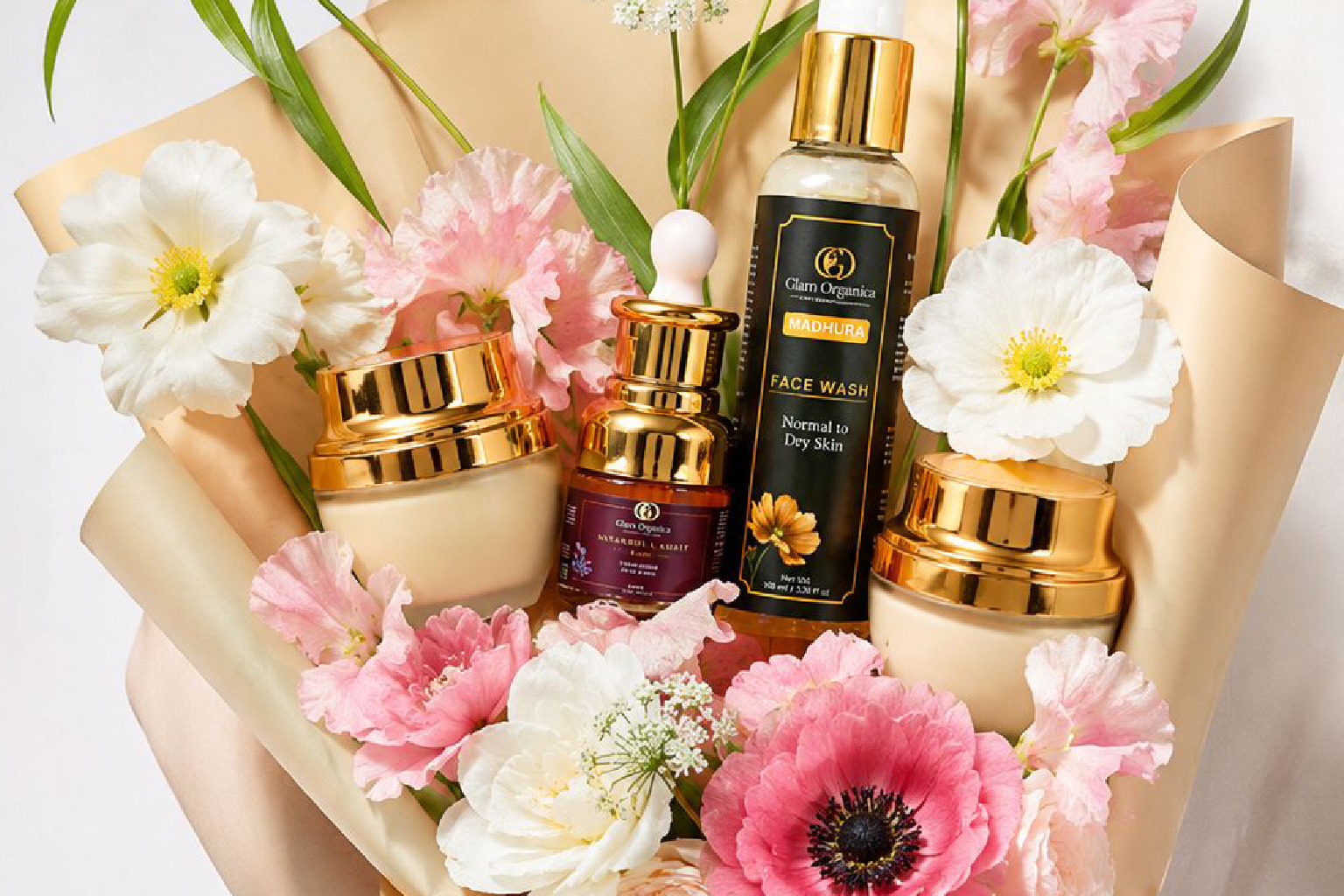
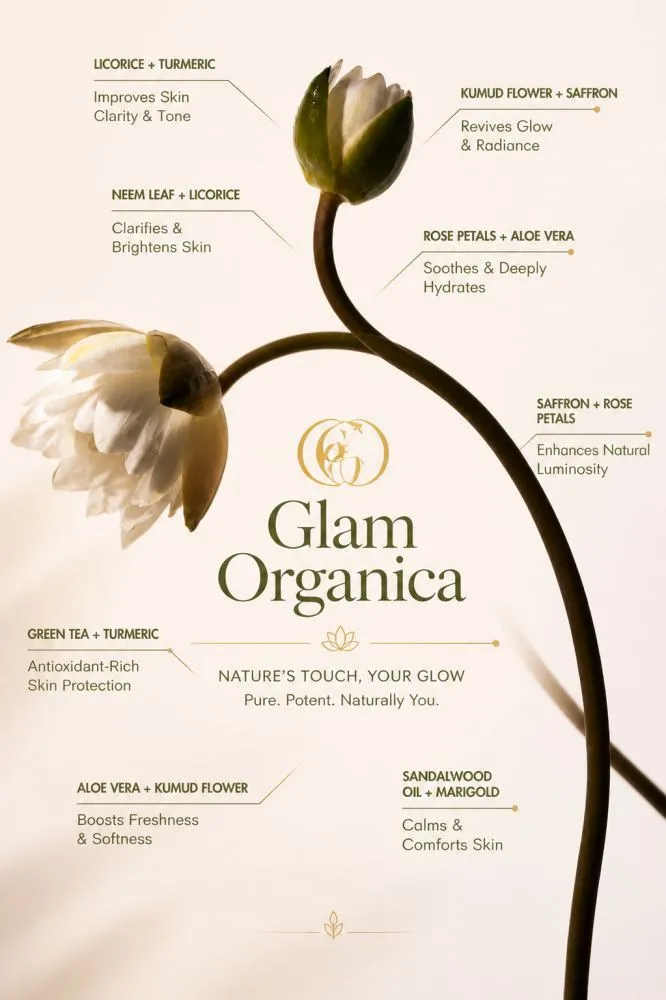
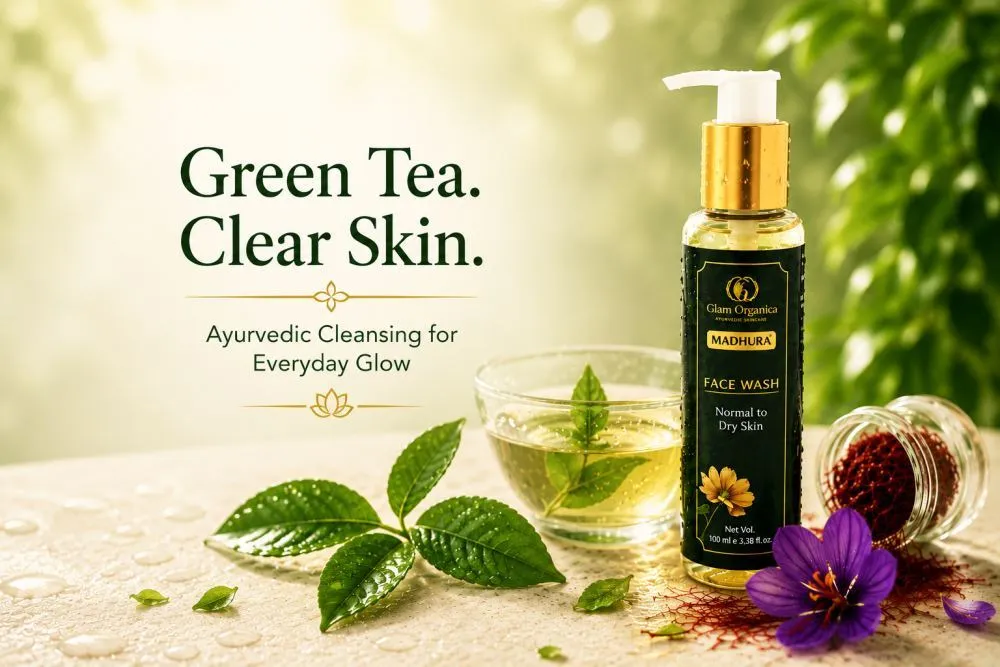
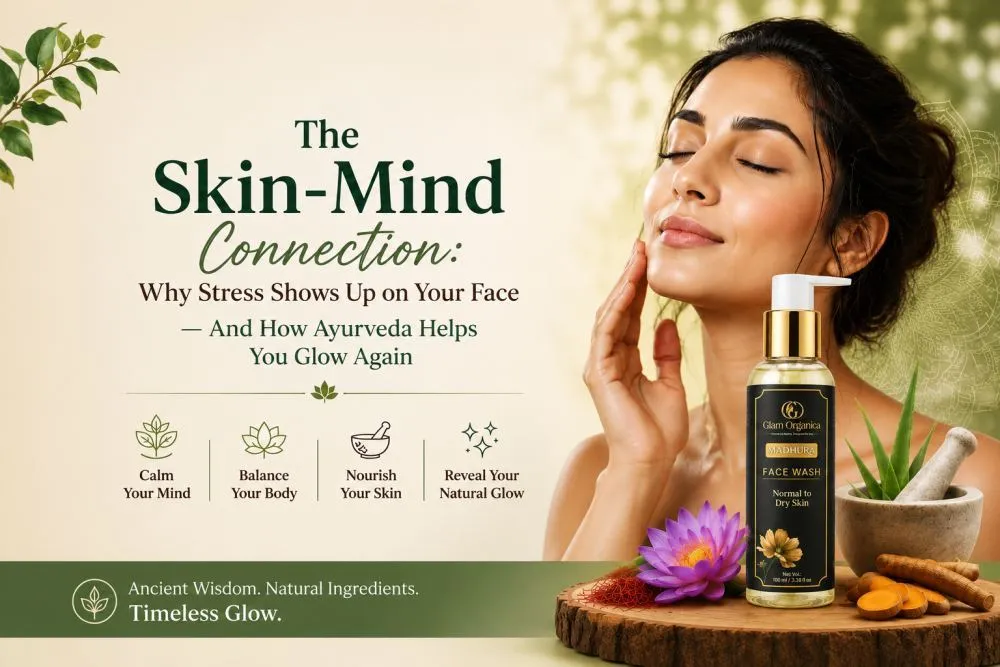
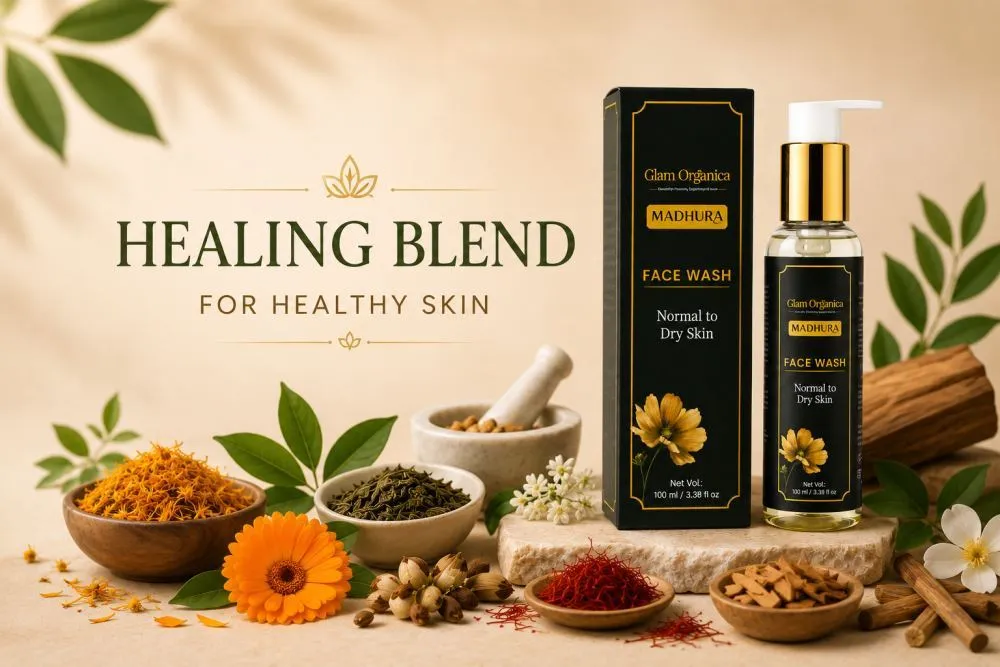
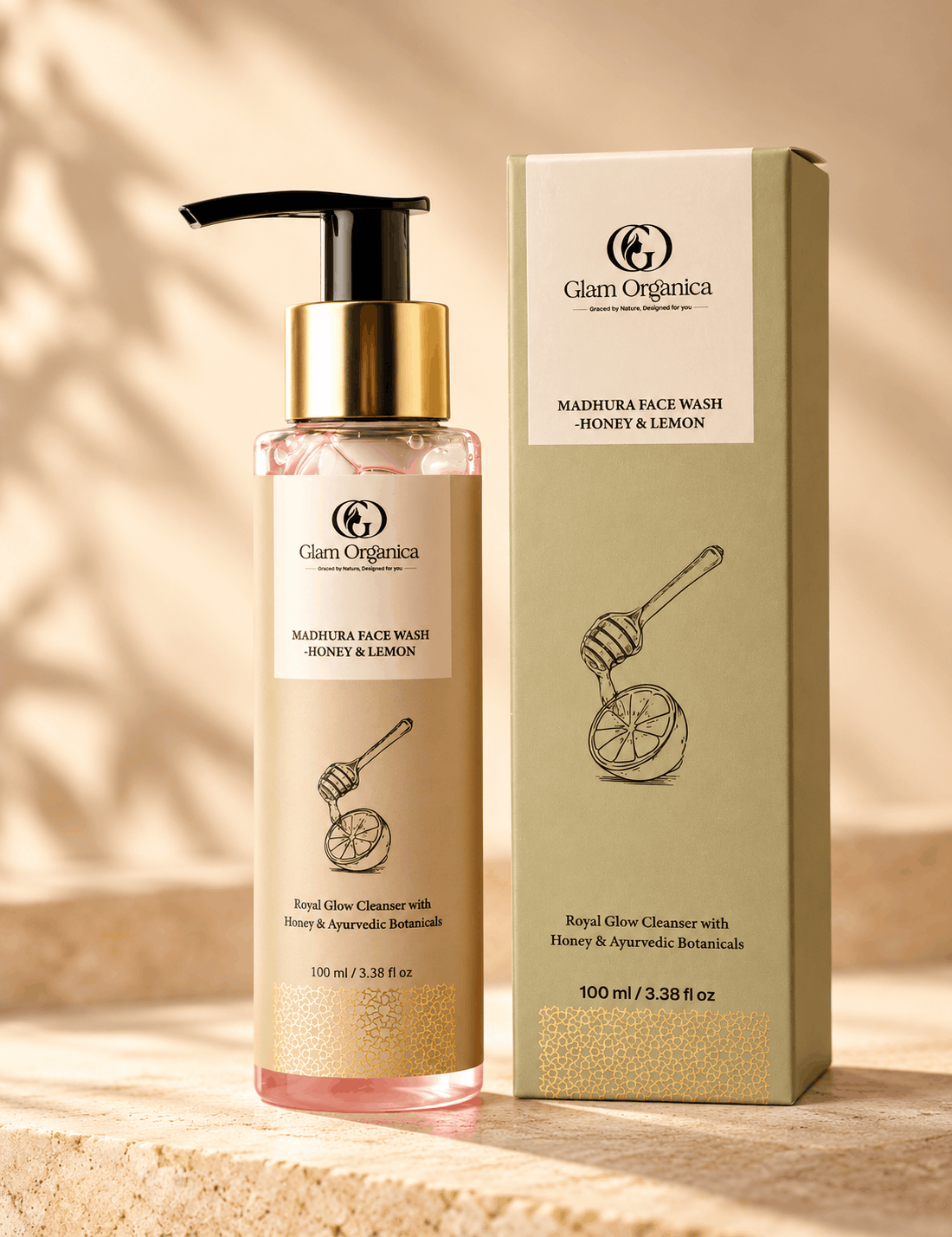
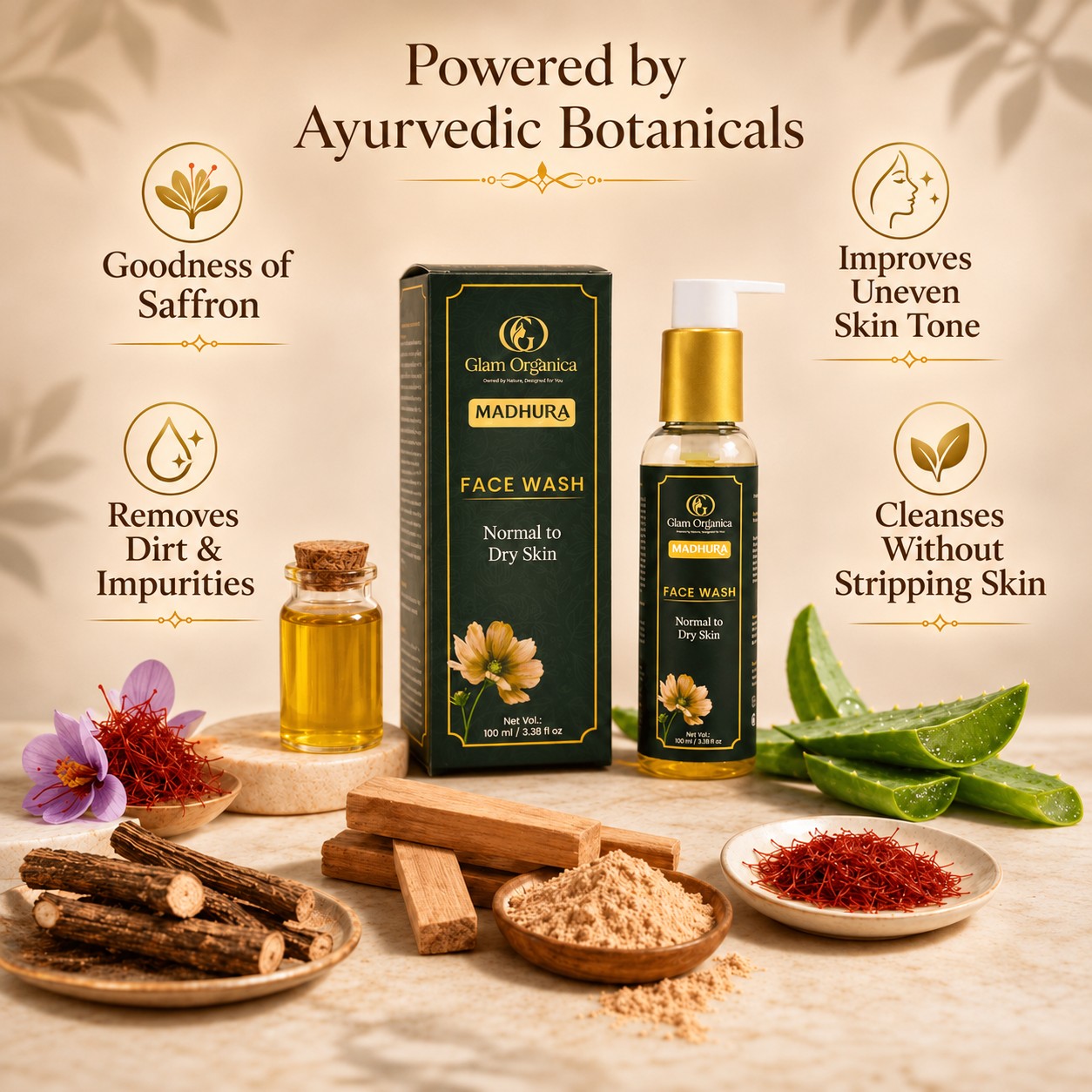
At Glam Organica, Kumud flower extract is included in our Madhura Face Wash.
We appreciate its traditional botanical heritage and its place in a thoughtfully developed cleansing formulation.
Discover: Madhura Face Wash – featuring Almond, Kumud Flower Extract and Honey.
2. Kumkumadi – The Heritage of Saffron
Sanskrit name: Kumkuma
Common name: Saffron
Botanical name: Crocus sativus L.
Plant part: Stigma
Kumkumadi is one of the most recognised names associated with traditional Ayurvedic beauty preparations.
An important distinction is that Kumkuma refers to saffron, whereas Kumkumadi Taila refers to a multi-ingredient traditional Ayurvedic formulation. It is not simply another name for saffron.
The Ayurvedic connection
Saffron has a long history in traditional Indian formulations. Classical Ayurvedic literature mentions Kumkuma in various preparations.
Traditional Kumkumadi oil formulations may combine several botanical ingredients with a suitable oil base. Their compositions can vary according to the classical reference and preparation method.
What makes saffron interesting?
Saffron contains naturally occurring compounds such as:
Crocin: A carotenoid-related pigment compound.
Crocetin: A compound associated with saffron's characteristic colour chemistry.
Safranal: An aromatic constituent.
Picrocrocin: A compound contributing to saffron's characteristic taste.
Modern research has investigated saffron extracts and their potential antioxidant-related and skin-conditioning properties.
Some preliminary human research has also explored particular saffron-containing topical formulations. However, the results of one formulation should not be assumed to apply to every saffron-containing skincare product.
Why we value Kumkumadi
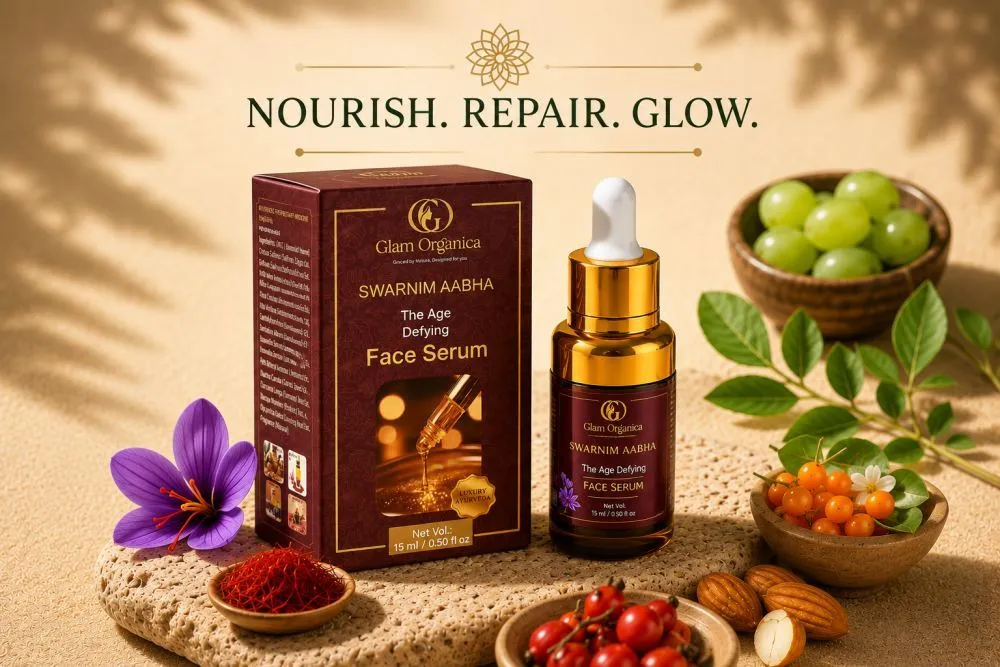
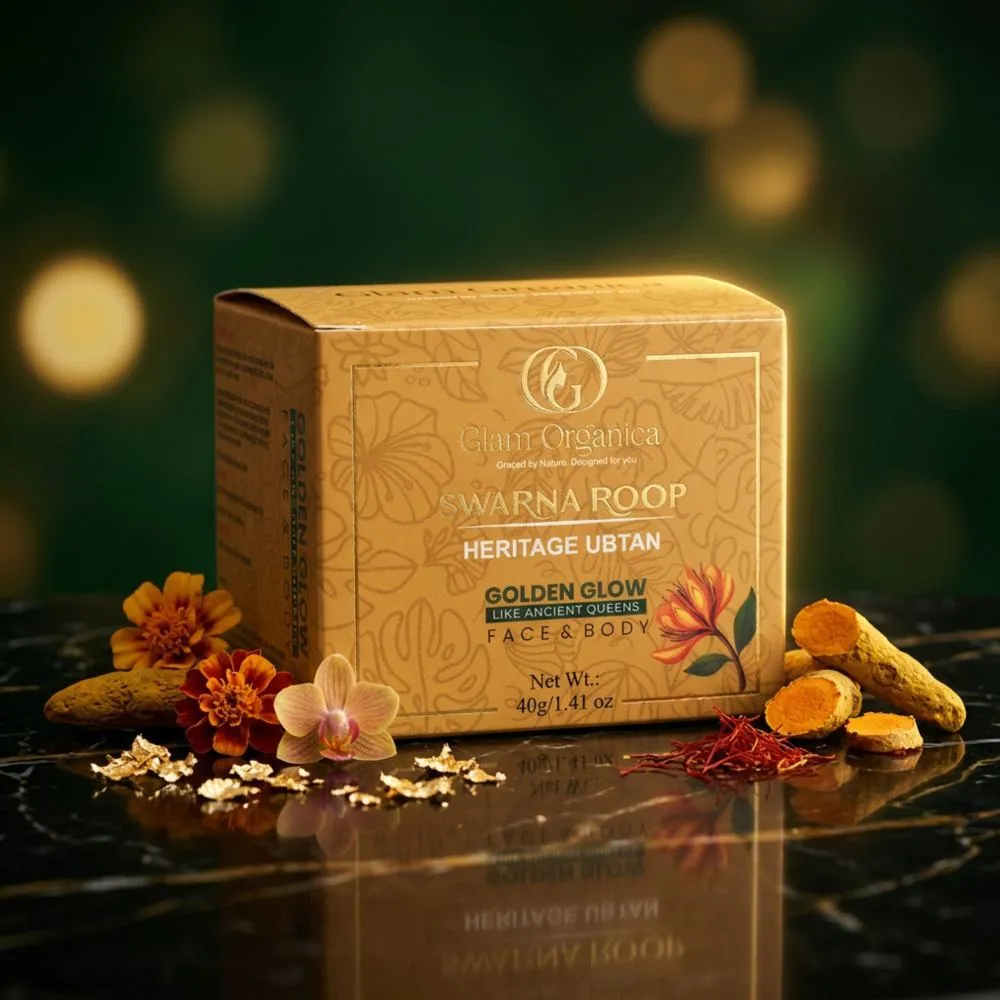
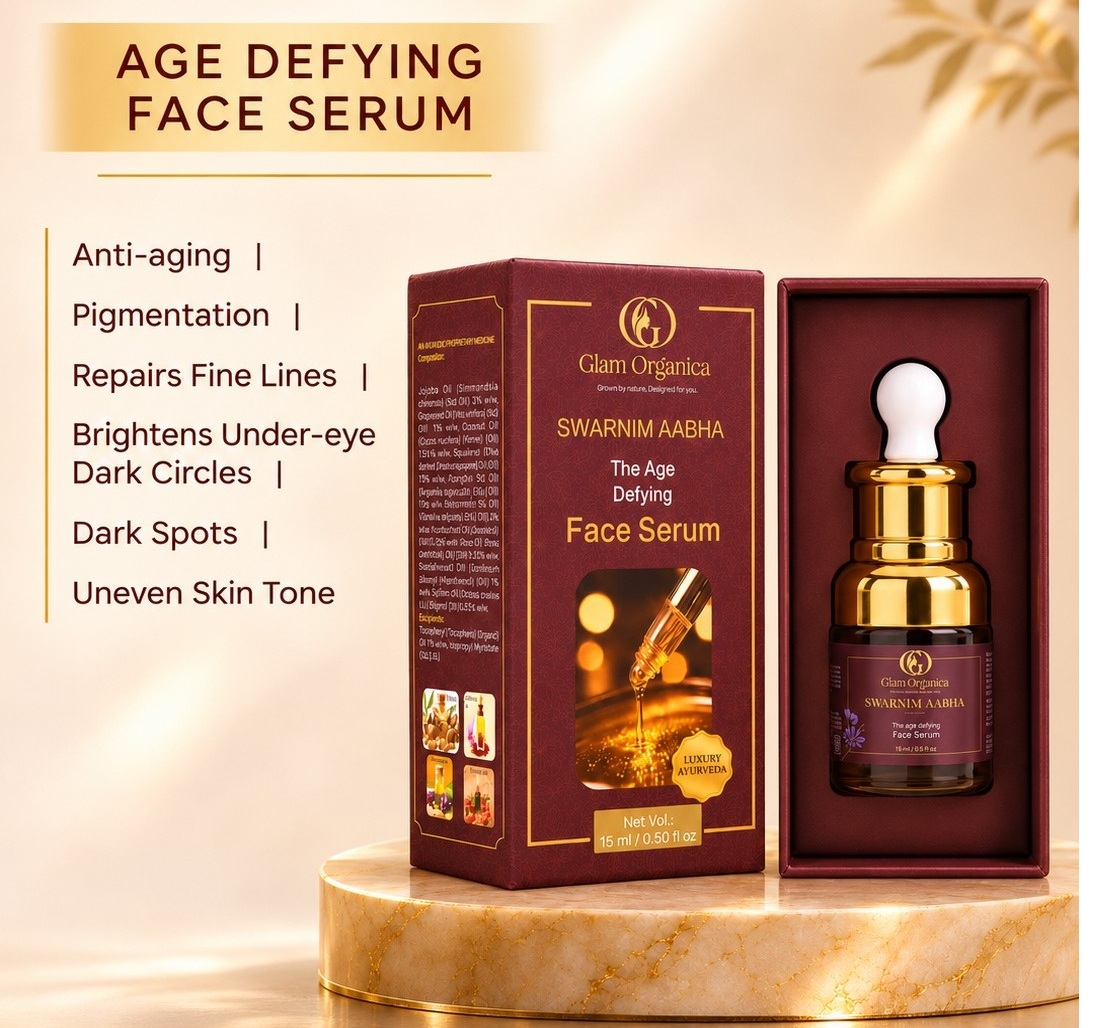
Our Swarnim Aabha Face Serum celebrates Kumkumadi-inspired botanical heritage alongside ingredients such as jojoba, grapeseed, squalane, pumpkin seed, watermelon seed, rose and other botanical components.
We believe that thoughtfully combining botanical ingredients with modern formulation practices creates an interesting approach to contemporary skincare.
3. Chandana – The Timeless Heritage of Sandalwood
Sanskrit name: Chandana
Common name: Indian White Sandalwood
Botanical name: Santalum album L.
Plant part: Heartwood
Few botanical ingredients are as closely associated with traditional Indian personal care as sandalwood.
Known as Chandana in Sanskrit, sandalwood has been valued in Indian traditions for its distinctive aroma and its place in classical Ayurvedic formulations.
What does Charaka Samhita say?
One of the most interesting references appears in:
Charaka Samhita – Sutra Sthana, Chapter 4, Varnya Mahakashaya.
Chandana is included in a group of ten substances traditionally associated with Varnya properties.
Varnya is an Ayurvedic classification associated with complexion-related applications.
This reference illustrates the historical importance of Chandana in Ayurvedic botanical knowledge. It should not be interpreted as clinical proof that sandalwood alone changes skin pigmentation.
Traditional Ayurvedic properties
Classical Ayurvedic descriptions associate Chandana with properties such as:
Tikta – Bitter taste.
Madhura – Sweet taste.
Sheeta Virya – Cooling potency.
Traditional applications associated with pacifying burning sensations.
These are traditional Ayurvedic descriptions, not modern clinical claims.
What does modern research tell us?
Scientific research has investigated sandalwood and its naturally occurring constituents, including alpha-santalol and beta-santalol.
Different sandalwood materials, including heartwood powder, extracts and essential oils, have different chemical compositions. Therefore, research on sandalwood oil should not automatically be applied to sandalwood powder or other extracts.
Why we value Chandana
Sandalwood is included in the ingredient information for our:
Swarnim Aabha Face Serum
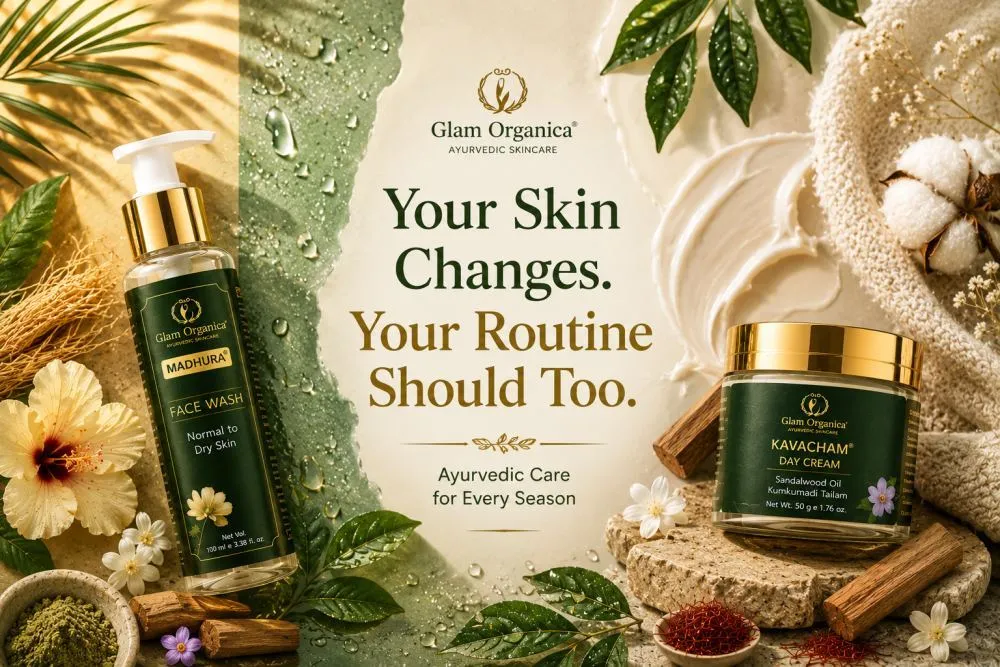
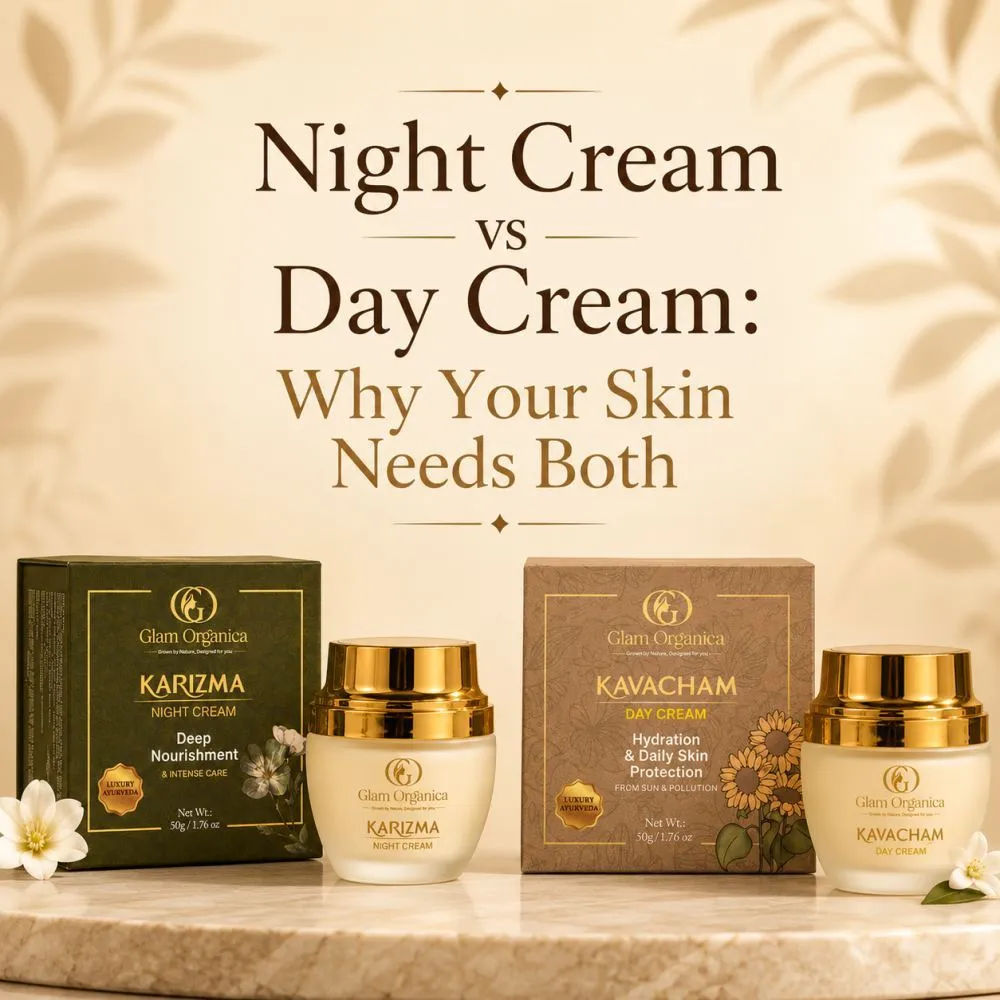
Kavacham Day Cream
We appreciate Chandana for its traditional heritage and its contribution to the botanical identity of these formulations.
4. Ancient Botanical Knowledge Meets Modern Skincare
Ayurveda and modern cosmetic science offer different but complementary ways of understanding botanical ingredients.
Traditional Ayurvedic literature provides information about plant identity, properties and historical applications. Modern research investigates botanical constituents, formulation compatibility, safety and potential cosmetic benefits.
At Glam Organica, we believe responsible skincare education should respect both.
We also believe that every ingredient deserves transparency. Its botanical identity, plant part, extraction process and formulation context matter.
That is why we continue to explore the stories behind the ingredients used in our products.
5. Discover the Botanical Stories Behind Glam Organica
Our formulations bring together selected botanical ingredients and contemporary skincare formulation practices.
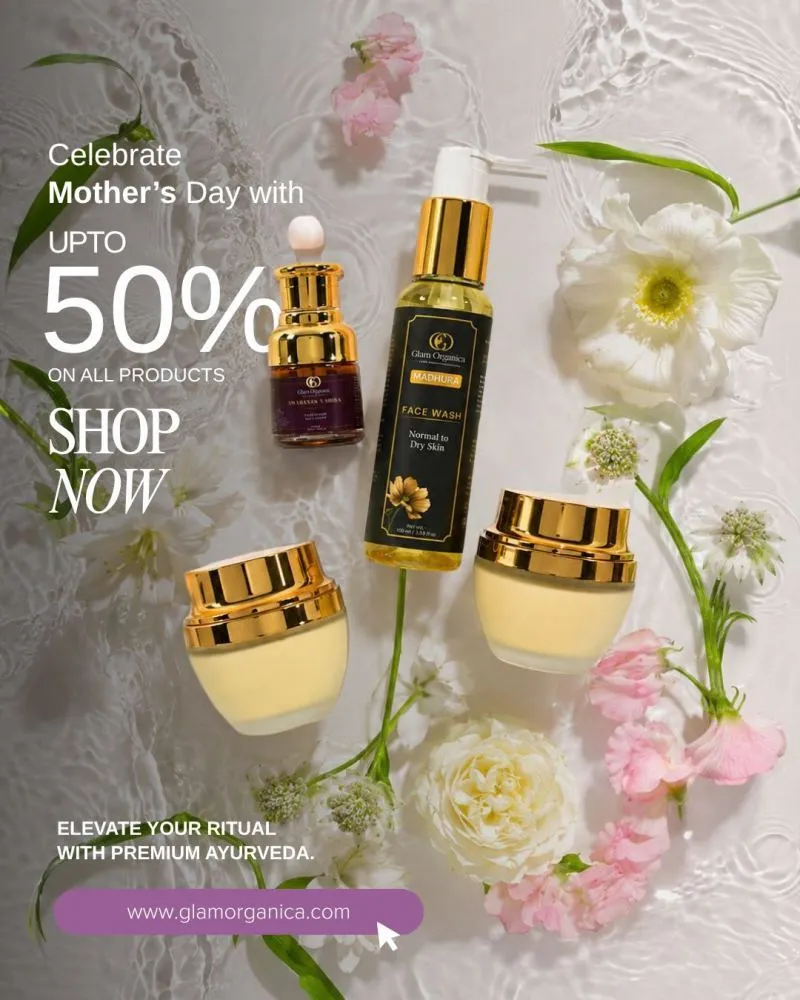
Explore the products inspired by these three botanical treasures:
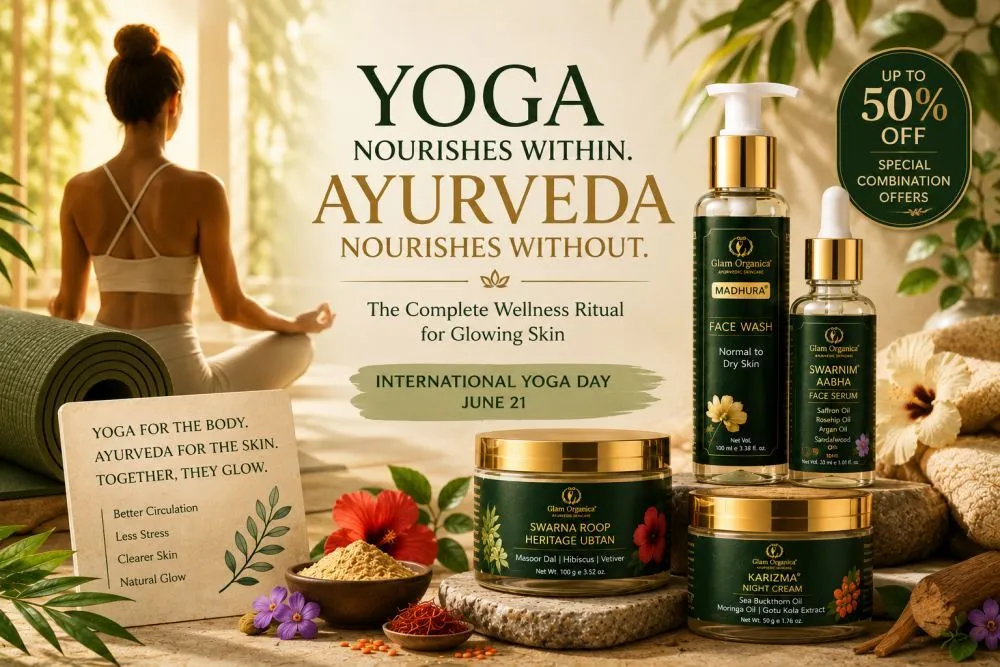
Madhura Face Wash: Almond, Kumud Flower Extract and Honey.
Swarnim Aabha Face Serum: Kumkumadi-inspired botanical formulation, saffron and other selected ingredients.
Kavacham Day Cream: A botanical formulation featuring rose, aloe vera, almond and sandalwood.
Every formulation has its own ingredient story, and we invite you to explore it.
Glam Organica – Graced by Nature, Designed for You.
Where Nature Meets Science.
References and Further Reading
Charaka Samhita, Sutra Sthana, Chapter 4 – Varnya Mahakashaya.
Ayurvedic Pharmacopoeia of India – Utpala botanical monograph.
Ashtanga Hridaya, Uttara Sthana, Chapter 24 – Kumkumadi formulation tradition.
Peer-reviewed research on phytochemical constituents and antioxidant-related investigations of Nymphaea species.
Peer-reviewed research on Crocus sativus extracts and topical formulations.
Scientific literature on Santalum album and its naturally occurring constituents.
Editorial note: Botanical species and extract forms should be confirmed against the respective raw-material specifications before publication. Traditional Ayurvedic descriptions and preliminary scientific findings are educational information, not proof that these ingredients diagnose, treat or cure skin conditions.